
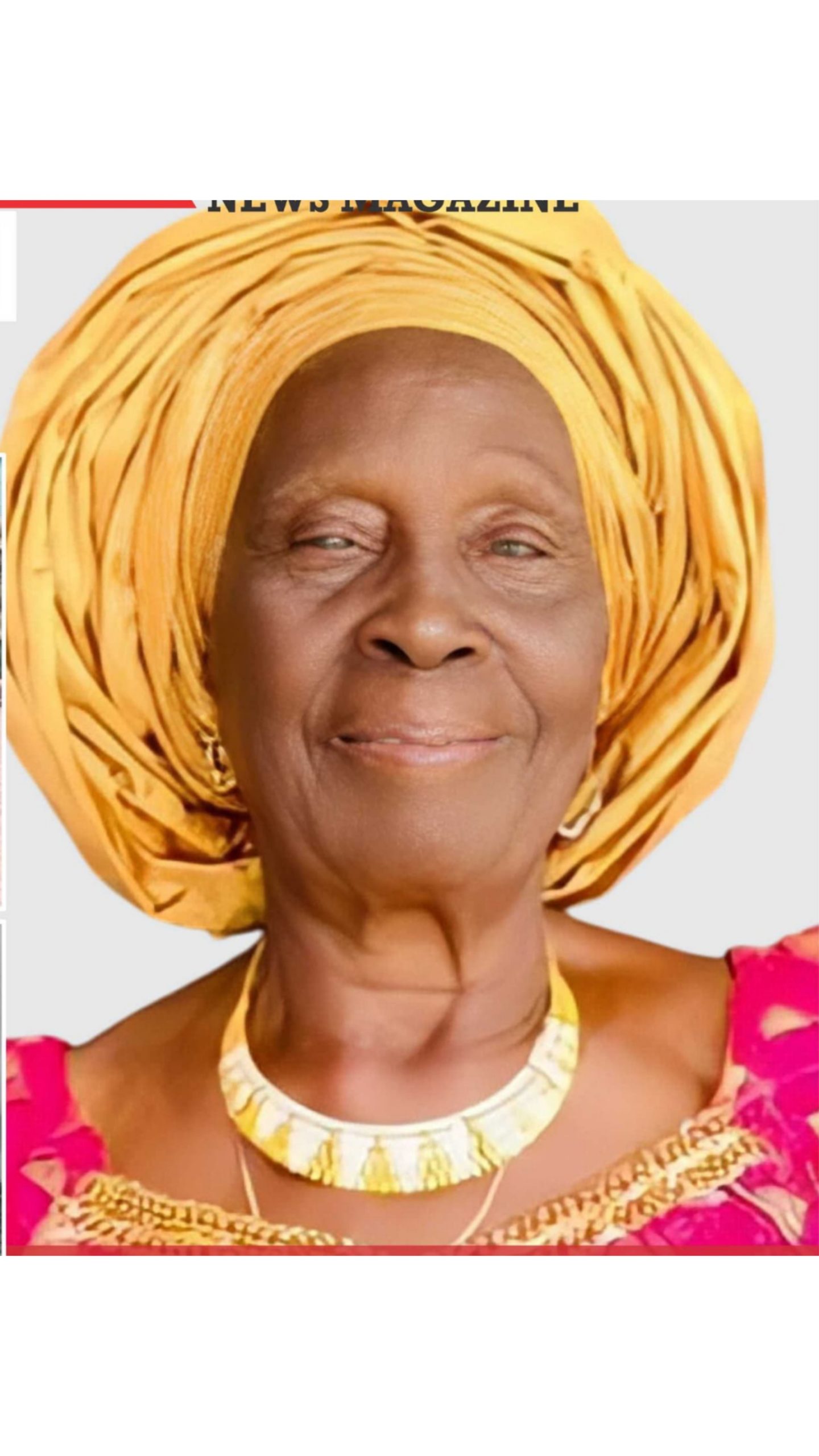
Mama Keketobou Jane Kuku, born Gbamila, led a life that was deeply connected to history and had a significant impact on every generation she influenced. Her narrative is closely tied to the story of her people and the values that have supported the Ijaw nation for centuries. She was born into the Perebiyenmo royal family of the Arogbo Ijaw Kingdom on August 22, 1935, entering the world with a strong connection to a legacy of leadership, guardianship, and ethical duty. However, from an early age, she showed that being part of a lineage alone does not give life true meaning. What set her apart was how intentionally and faithfully she fulfilled the responsibilities of her heritage.
Raised in a royal family, she was surrounded by tradition, discipline, and respect. She quickly understood that being part of the royalty wasn't about power or special treatment, but rather about serving, showing self-control, and being responsible to God and the community. She embraced the customs, tales, and ethical values of her people, carrying them with quiet dignity all through her life. These early experiences influenced her sense of structure, her respect for older individuals, her affection for her family, and her strong dedication to maintaining peace within the group. Even as a young woman, she was recognized for her hard work, humility, and a peaceful nature that attracted others to her.
Her union with the Kuku family signified the start of a new phase characterized by dedication, sacrifice, and meaningful motherhood. She emerged as the ethical anchor of her home, a woman who held the belief that a solid family unit was the cornerstone of a robust community. Her method of managing family life was deliberate. Discipline was tempered with kindness, correction accompanied by support, and authority exercised with tenderness. She had a profound conviction about education—not just as formal learning but as the development of character, honesty, and accountability. By setting an everyday example, she instilled in her children the importance of fearing God, respecting others, valuing truth, and working hard no matter the situation.
Her role as a mother was most visibly demonstrated in the life of her son, Kingsley Kuku, whose path into national service brought their family into the public spotlight. As he gained recognition as a political and environmental rights advocate, and later served Nigeria as special adviser to President Goodluck Jonathan on Niger Delta Affairs and as chairman of the Presidential Amnesty Programme, Mama Keketobou remained in the background yet spiritually central. She bore the weight of his duties through prayer, relying on God for guidance, protection, and tranquility. During times of political pressure, public attention, and high national expectations, she was a steady source of moral support and spiritual comfort. Her faith not only supported her son but also influenced many who recognized the unseen part she played.

In addition to her close family, Mama Keketobou played a vital role in her community. She was actively engaged in church activities, especially in women's groups, where her advice, support, and spiritual guidance were highly valued. She strongly believed in the strength of unity among women and felt that older women had a duty to mentor younger ones with wisdom instead of criticism. Numerous women share that her words during important times helped them overcome marital difficulties, raise their children with patience, and stay firm in their faith during tough times.
Her kindness was both tangible and unexpected. She provided assistance discreetly, offering food, time, and emotional support without desiring any acknowledgment. Her house served as a sanctuary where individuals could find rest, express themselves openly, and obtain genuine advice. Naturally inclined towards harmony, she frequently entered into difficult family or community conflicts with a composed approach and understanding. Her habit of listening attentively before speaking made her advice especially impactful. When she spoke, her words carried clarity, kindness, and strength derived from personal experience.
In her later years, she demonstrated the beauty of aging with dignity. There was no retreat from life, no resentment, and no feeling of deserving special treatment. Rather, she welcomed old age as a time for contemplation, appreciation, and advocacy. Surrounded by her children, grandchildren, and great-grandchildren, she found happiness in seeing the values she had instilled flourish through the generations. She continued to be involved in church activities as much as her energy permitted and kept a structured prayer routine filled with thanks rather than complaints. She frequently mentioned God's reliability and showed satisfaction with the life she had led.
Her death on 14 October 2025 signified the conclusion of an extraordinary life that lasted ninety years, one month, and twenty-two days. While measured in days, hours, and minutes, her life was long, but its real significance lies in the influence it had. She lived with intention, loved deeply, prayed passionately, and served faithfully. Her legacy is not only found in family documents and royal lineages but also in the character qualities that were passed on—resilience that was cultivated and faith that remained strong.
Mama Keketobou Jane Kuku leaves a legacy that is both reassuring and educational. She demonstrated that excellence doesn't need to be proclaimed loudly and that impact can be made through steady behavior, modesty, and affection. Her existence confirms that genuine nobility is shown by how one serves God and people. Even though she has passed on, her influence continues to live on in the lives she touched, the prayers she said, and the principles she represented.
She is now at rest after her work, but her tale keeps on being told in a soft, strong, and lasting manner.
Provided by zaianews.com.