
A Unique Solution for Sleep Apnea
For millions of people suffering from sleep apnea, a condition that disrupts their sleep and impacts their overall health, an unusual yet promising solution has emerged. Blowing into a conch shell before bed has shown measurable benefits for individuals with obstructive sleep apnea (OSA). This method is being explored as a potential alternative or complement to traditional treatments.
Obstructive sleep apnea affects a significant number of Americans, causing them to snore, stop breathing, and choke multiple times throughout the night. These interruptions make it difficult to achieve restful sleep, leading to daytime fatigue and other complications. The standard treatment for OSA involves using a CPAP machine, which delivers air through a mask to keep the airway open. However, many patients find this device uncomfortable, and some discontinue its use due to difficulty in adapting.
In recent research, Indian scientists conducted a study involving 16 participants who were asked to blow into a conch shell called a shankh, while another group performed deep breathing exercises. The results indicated that those who used the shankh experienced improved oxygen levels during sleep, fewer instances of waking up due to choking, and reduced daytime sleepiness.
The researchers believe that blowing into the conch shell strengthens the muscles in the upper airway, which can help maintain an open airway during sleep. This approach may offer a non-invasive way to manage OSA symptoms, especially for those who struggle with traditional treatments.
Untreated sleep apnea can lead to serious health issues, including anxiety, increased risk of accidents due to daytime tiredness, and decreased productivity. It is also associated with a higher likelihood of heart attacks, high blood pressure, and strokes. Additionally, sleep apnea can cause hypoxia, a condition where the body doesn't receive enough oxygen, which can have severe consequences on brain function and overall health.
The study involved participants performing the exercises five times a day for at least 15 minutes over six months. Before starting the home practice, all participants received training at a clinic. Those in the conch-blowing group were given a shankh used in traditional yoga practices.
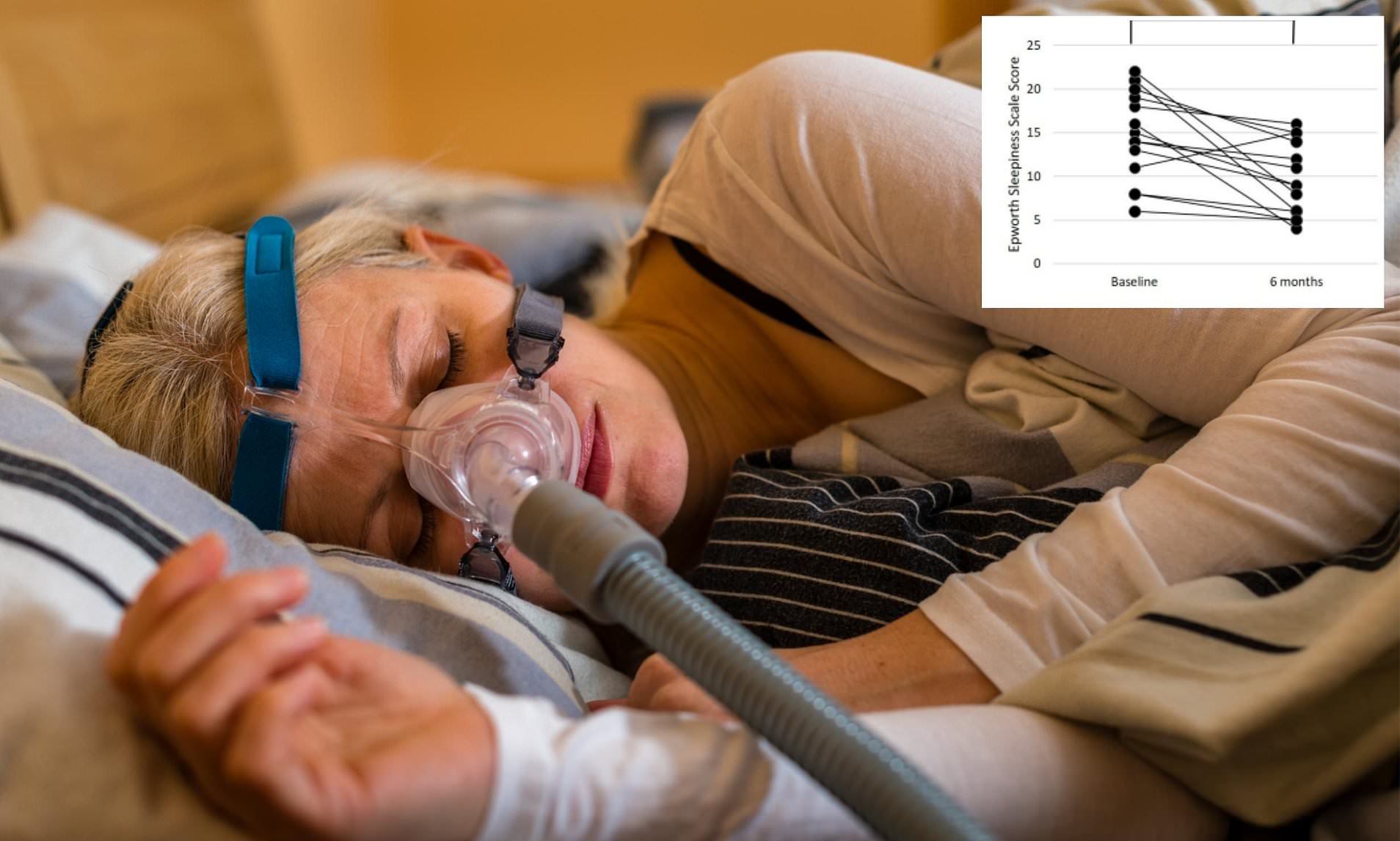
Researchers evaluated the participants' daytime sleepiness using a questionnaire and measured their sleep quality and frequency of breathing disruptions. They also conducted overnight sleep studies to monitor physiological signals such as breathing patterns and oxygen levels.
Results showed that the shankh-blowing group had a 34 percent reduction in sleepiness scores, moving from a score indicating significant daytime sleepiness to within the normal range. They also experienced a 19 percent decrease in the number of times they stopped breathing during the night. The control group saw an increase in these disruptions.
Additionally, the shankh group reported a seven percent improvement in oxygen delivery throughout the body. These improvements exceeded the minimal clinically important difference reported in literature, suggesting that the intervention could significantly impact disease severity.
Participants in the shankh group also lost some weight by the end of the study, while the control group had a higher average BMI. Researchers attributed these changes to the training of upper airway muscles, which may reduce the collapsibility of the airway.
Doctors often recommend weight loss for OSA patients, as excess neck fat narrows the airway, making it more prone to collapse during sleep. Abdominal fat can also restrict lung expansion, leading to lower oxygen reserves and worse drops in blood oxygen levels.
A 2024 report in The Journal of Clinical Endocrinology & Metabolism found that a 10 percent rise in body fat is associated with a 32 percent increase in oxygen saturation drops and breathing disruptions.
The scientists behind the latest research, published in ERJ Open Research, suggest that with further studies, the shankh method could become a validated, low-cost tool for supporting sleep apnea care, particularly in areas with limited access to specialists and CPAP machines.
In conclusion, upper airway muscle training through blowing the shankh improves subjective measures of daytime sleepiness and sleep quality, along with objective measures of OSA severity. This research offers new insights into the potential benefits of the shankh as an alternative intervention for individuals with moderate OSA.