
Rising Cases of Chikungunya in China and Global Concerns
China is currently experiencing its largest outbreak of the chikungunya virus, with a significant increase in reported cases. The situation has raised concerns not only within the country but also internationally, as health authorities monitor the spread of the mosquito-borne illness.
In the latest reported week, 1,387 new cases were confirmed, with nearly all of them occurring in Foshan, a major manufacturing city in southern China. This brings the total number of cases to over 10,000 across the country. Infections have also been reported in Taiwan, Hong Kong, Europe, and even in the United States through travel-acquired cases.
Despite the recent spike, the number of new cases for the week was lower than the previous seven-day period, which recorded 2,892 cases. This suggests that the outbreak may be slowing down, though officials are still closely monitoring the situation.
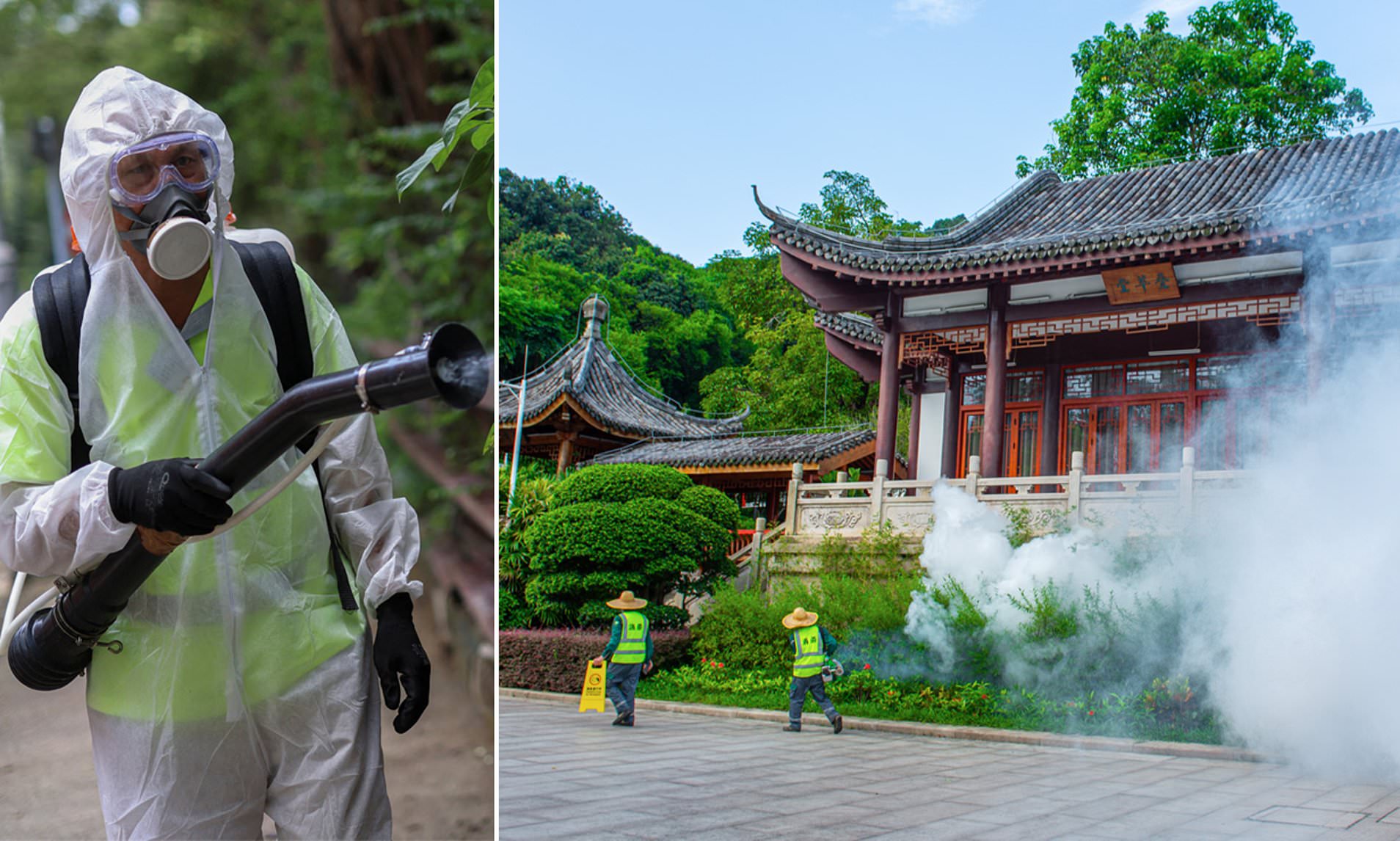
Chinese authorities have stated that there have been no severe cases or deaths reported during this outbreak. However, the spread of the virus has led to measures similar to those seen during the height of the COVID-19 pandemic. Streets have been disinfected, and patients have been quarantined in hospitals. In an effort to control the mosquito population, officials have deployed insecticide-spraying drones, "cannibal" mosquitoes, and killer fish to eliminate potential carriers of the virus.
The situation has also caused concern in the United States. The Centers for Disease Control and Prevention (CDC) is currently assessing the outbreak and has issued a level two warning for the region. American travelers are advised to take precautions such as using insect repellent and wearing long sleeves when visiting areas affected by the virus.
Experts warn that chikungunya could easily reach the U.S. if an infected individual is bitten by a local mosquito, which could then transmit the disease to others. While the U.S. typically records more than 100 cases of chikungunya each year—most of which are linked to travelers returning from abroad—no cases have been directly connected to the current outbreak in China.
Outbreak Details and Regional Impact
The majority of the cases have been concentrated in Guangdong province, particularly in Foshan. According to the latest update from the Guangdong Provincial Center for Disease Control and Prevention, 1,212 new cases were reported in Foshan, while 103 cases were reported in Guangzhou, the province’s largest city, and 39 in Zhanjiang. The remaining 33 cases were not specified.
This figure marks the lowest weekly count since the peak of the outbreak, which occurred between July 20 and 26, when 2,940 cases were recorded. Officials have described the current numbers as a positive sign, although they remain cautious about the possibility of resurgence.
In Hong Kong, two additional cases have been linked to the outbreak, bringing the total to five infections this year. One of the cases involved a 66-year-old woman who traveled to Foshan and later developed symptoms upon her return. She has since been discharged from the hospital. Another suspected case was reported in a healthy 22-year-old woman who had recently returned from Madagascar, Mauritius, and Malaysia and had been bitten by mosquitoes during her trip.
Taiwan also reported its first case linked to the outbreak, involving a woman in her 40s who had returned from Foshan and Shenzhen. She developed fever, rash, and limb pain shortly after arriving back in Taiwan and was admitted to the hospital.
Symptoms and Risks of Chikungunya
Chikungunya is transmitted exclusively through the bites of infected mosquitoes and cannot spread directly from person to person. Once infected, individuals typically experience a sudden high fever, often reaching around 103°F (39°C), within two to seven days of infection. Other symptoms include a rash, headache, nausea, fatigue, and joint pain.
In severe cases, the virus can cause intense joint pain that significantly impairs daily activities. Although rare, it can lead to long-term complications such as chronic joint inflammation and pain. The most vulnerable populations include young children, the elderly, and individuals with underlying health conditions.
There is currently no specific treatment for chikungunya, and medical care focuses on managing symptoms with over-the-counter painkillers, fluids, and rest. Two vaccines are available, but their use is limited in many regions.
Global Implications and Preparedness
The U.S. has recorded 45 chikungunya cases this year, none of which have been linked to the Chinese outbreak. However, experts remain concerned about the potential for the virus to spread further if an infected individual is bitten by a local mosquito and transmits the disease to others.
As the situation in China continues to evolve, global health organizations and governments are working to monitor the outbreak and implement preventive measures. The focus remains on controlling mosquito populations, educating the public, and preparing for any possible spread beyond the current regions affected.