
In a quiet but notable product rollout, Skechers has introduced a new line of sneakers for children that includes a hidden slot for Apple’s AirTag. Marketed as a way for parents to keep track of their kids’ location, the shoes arrive at a moment when concerns about surveillance, consent, and privacy are increasingly at the forefront of consumer technology.
A Discreet Feature Designed for Anxious Parents
The sneakers—part of a line branded Find My Skechers—feature a small concealed compartment under the insole of one shoe. The space is shaped to fit an Apple AirTag and is secured with a screw-fastened plastic casing. This design prevents the tracker from falling out or being easily removed by a child.
The shoes don’t come with an AirTag and aren’t part of any official collaboration with Apple. Skechers developed the integration independently, targeting parents who already use AirTags to track backpacks, lunch boxes, or keychains and want a more secure and consistent tracking option.
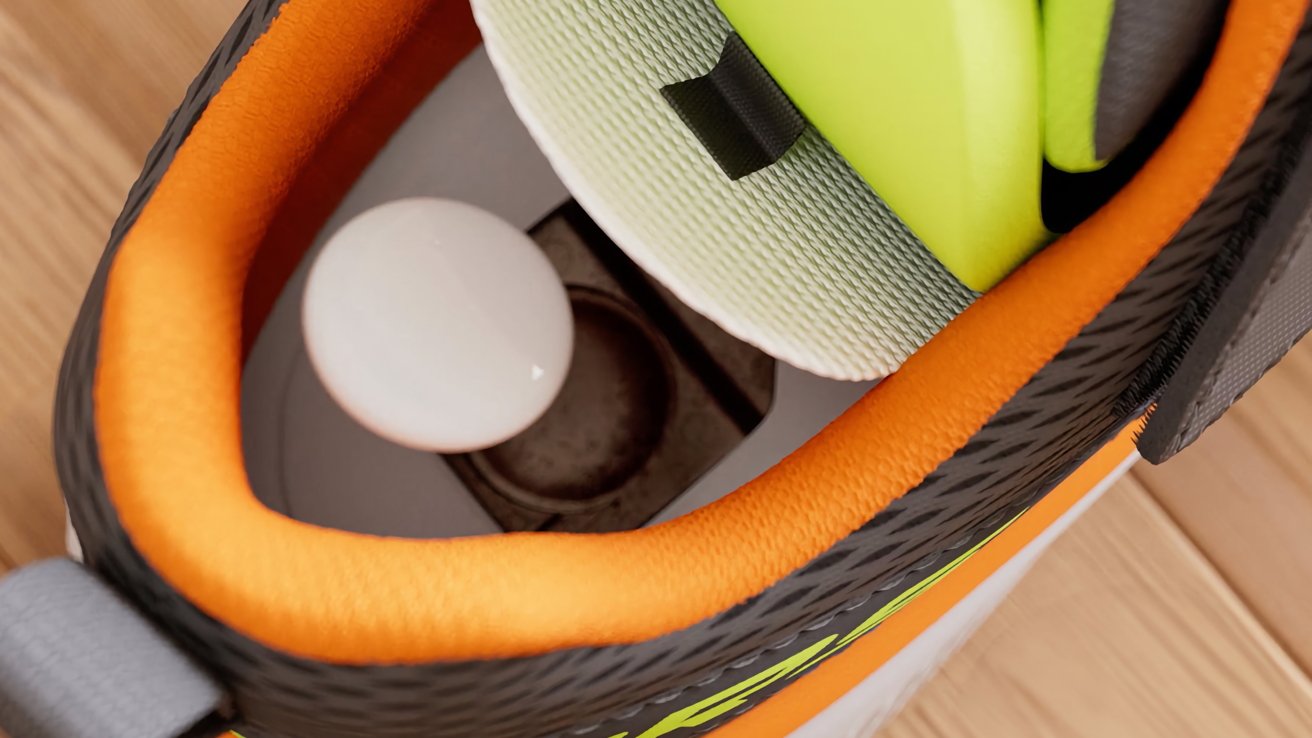
Though not advertised aggressively, the product has begun gaining attention online and in parenting circles. It aligns with a growing market trend: embedding tracking capabilities directly into consumer goods, particularly those intended for children or individuals who may need supervision.
What Airtags Can—And Can’t—Do
First released by Apple in 2021, AirTags were designed to help people find misplaced objects. They use Bluetooth Low Energy and Ultra Wideband to communicate with nearby Apple devices. Those signals are then relayed anonymously to the owner’s iCloud account through the Find My network, allowing users to see the AirTag’s location on a map.
But AirTags aren’t GPS trackers. They don’t communicate directly with satellites, which means their location data is dependent on being near other Apple devices. In practical terms, this means they work well in urban environments but may be less reliable in isolated areas or when rapid movement is involved—like a child on a bus.
Even with those limitations, many parents have turned to AirTags for monitoring their children’s movements. The Skechers design may appeal to those who want something more embedded and less likely to be forgotten or removed.
Apple’s Warning and the Legal Gray Area
Apple has consistently warned against using AirTags to track people. The company has faced lawsuits related to stalking incidents, where individuals used AirTags to monitor others without consent. In response, Apple has implemented anti-stalking features, including alerts sent to nearby iPhones when an unknown AirTag is detected traveling with them.
But the legal boundaries around child tracking remain ambiguous. Children—especially those under the age of reason—are generally not in a position to provide informed consent. This raises questions not only about privacy, but also about how early surveillance habits are instilled.
While most parents likely view the feature as a safety net, experts have cautioned that normalizing passive tracking at a young age could shape attitudes about autonomy and data privacy in the long run.
A Test Case for Future Applications?
Although the Skechers shoes are currently available only in kids’ sizes, the implications stretch further. Similar technology could be adapted for adults, especially those with cognitive impairments or dementia who may be at risk of wandering. In those cases, embedded tracking could offer a practical layer of protection.
But the same technology could just as easily be repurposed for unauthorized surveillance. The quiet normalization of embedded trackers in fashion and wearable goods is a trend privacy advocates are watching closely. The concern isn’t only what the technology does, but how it changes societal expectations about being monitored.
Enjoyed this article? Subscribe to our free Newsletter for engaging stories, exclusive content, and the latest news
For more news like this, visit Indiandefencereview.com