
The Legacy of Leonardo da Vinci and the Heart’s Hidden Structures
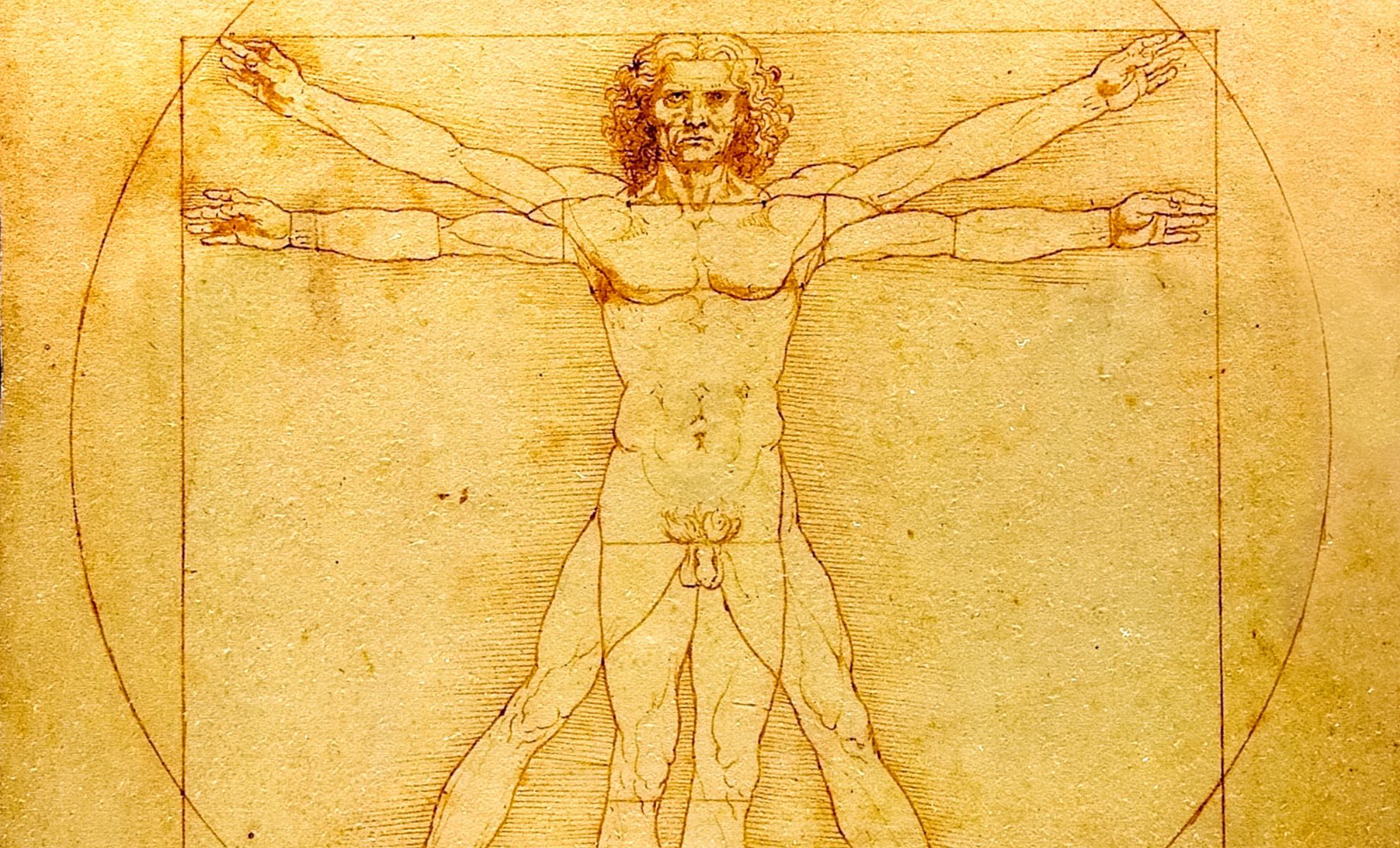
Leonardo da Vinci, the Renaissance polymath known for his artistic masterpieces and scientific curiosity, made a remarkable contribution to the field of human anatomy. His detailed dissections of the human body in the late 15th century revealed intricate structures that were previously unknown. Among these was the trabeculae, complex, branching networks found within the heart chambers. Da Vinci sketched these structures with precision, capturing their unique design long before modern science had the tools to fully understand them.
Despite his keen observations, da Vinci could not determine the exact function of the trabeculae. He speculated that they played a role in blood circulation, a hypothesis that would later be validated by modern research. However, for centuries, the purpose of these structures remained a mystery, shrouded in uncertainty. It wasn’t until recent advancements in technology and scientific methods that researchers began to unravel the secrets of the trabeculae.
A Breakthrough in Cardiac Research
In a groundbreaking study published in Nature, scientists have finally uncovered the true role of the trabeculae in heart function. This research, titled “The Role of Myocardial Trabeculae in Cardiac Function and Disease,” combined multiple cutting-edge techniques, including fractal analysis, magnetic resonance imaging (MRI), and genetic research. By analyzing heart images from over 18,000 participants in the UK Biobank, the team discovered that the trabeculae are not just remnants of embryonic development but play a critical role in regulating the heart’s performance.
One of the most significant findings of this study was the link between trabecular structure and the risk of cardiovascular diseases. Researchers observed that certain structural features of the trabeculae are associated with an increased likelihood of conditions such as heart failure and arrhythmias. This discovery has opened new avenues for understanding how heart diseases develop at a molecular level and has provided valuable insights into genetic predispositions.
Fractal Theory and the Heart’s Complexity
Fractal theory, which studies self-similar patterns found in nature, has been instrumental in this breakthrough. The trabeculae, much like the branches of a tree, exhibit a complex, repeating pattern that can be analyzed using mathematical models. By applying fractal analysis, scientists were able to examine the intricate geometry of the trabeculae in greater detail than ever before. This approach allowed them to identify subtle differences between healthy and diseased hearts, leading to more accurate predictions about heart function and disease risk.
Traditional methods of studying the heart were limited in their ability to capture the full complexity of these structures. Fractal theory, however, provided a new framework for understanding how the trabeculae influence cardiac performance. This advancement has paved the way for the use of computational models to simulate heart disease and explore how factors such as genetics and lifestyle impact heart health.
The Genetic Connection to Heart Health
Another major revelation from the study was the connection between genetics and the formation of trabeculae. By analyzing data from the UK Biobank, researchers identified specific genetic loci that regulate the development of these structures. Variations in these genes may contribute to abnormalities in heart function, making them key targets for future research.
This genetic insight could lead to the development of new diagnostic tools for early detection of heart disease. Doctors may soon be able to identify individuals at risk based on their genetic profile, allowing for timely interventions. Moreover, understanding the genetic basis of trabeculae could lead to targeted therapies aimed at modifying these structures to prevent or treat heart conditions.
The Future of Cardiac Science
The discovery of the trabeculae’s role in heart function marks a significant milestone in cardiology. It not only sheds light on a mystery that has puzzled scientists for centuries but also opens up new possibilities for research and treatment. As technology continues to advance, the integration of genetics, imaging, and mathematical modeling will likely lead to even more breakthroughs in understanding the complexities of the human heart.
This research highlights the enduring legacy of Leonardo da Vinci and the power of interdisciplinary collaboration. By combining historical insights with modern science, researchers have taken a crucial step forward in the fight against heart disease. The future of cardiac medicine looks brighter than ever, thanks to this remarkable discovery.