
Understanding ESG as a Strategic Opportunity
In various boardrooms and government offices across Ghana, the terms "ESG" and "Sustainability" often generate mixed reactions. For some leaders, these concepts represent potential opportunities and a way to gain a competitive edge. For others, they may seem like complex compliance requirements, with extensive reporting demands and initiatives that do not clearly yield returns.
Ghana is currently at a crucial juncture. While many organizations globally struggle with implementing environmental, social, and governance (ESG) practices, Ghanaian businesses and government institutions have unique advantages that can transform ESG from a compliance burden into a powerful differentiator.
Simplifying ESG: Where Value Meets Impact
It's essential to cut through the complexity of ESG. This isn't about academic theories or complicated frameworks—it's fundamentally about identifying where your organization creates value, both in terms of social impact and environmental stewardship, and then aligning these with business value. This intersection is where sustainable competitive advantage lies, and it should be the focus of all ESG efforts and communications.
For Ghanaian organizations, this intersection often aligns naturally with existing cultural values such as community support, resource stewardship, and long-term thinking. The challenge isn't creating ESG value—it’s recognizing it, aligning it with global standards, and systematically capturing and communicating it.
Ghana’s Natural ESG Advantages
Ghana has several built-in advantages when it comes to ESG:
- Agricultural Heritage: From cocoa to shea, there are immediate opportunities in sustainable farming, traceability, and carbon sequestration.
- Renewable Energy Potential: Solar energy in the north and hydroelectric power in the south offer support for green financing initiatives.
- Community-Oriented Culture: A long tradition of mutual support and stakeholder engagement.
- Governance Stability: Democratic institutions, legal frameworks, and regulatory reforms valued by global investors.
- Natural Resources: From gold to oil, which, if developed responsibly, can drive revenue and sustainability outcomes.
- IFRS S1 & S2 Leadership: Ghana is a clear leader in Africa and globally on adopting this framework.
These foundations mean that Ghana can move faster than many peers—building on strengths instead of starting from scratch.
The Danger of Overcomplication
Many Ghanaian companies and agencies are already engaged in ESG-aligned work and creating valuable impacts—they just don’t present it that way. A cocoa exporter training farmers, a utility reducing water losses, or a ministry digitizing public services is already creating ESG value. The opportunity lies in identifying, measuring, aligning with standards, and effectively communicating these actions to stakeholders.
Sector-Specific ESG Opportunities
Financial Services: Banks and other financial institutions can use ESG integration to access international capital markets at better rates, with potential borrowing cost reductions of 0.25–0.75 percent. Offering green loans, sustainable investment products, and ESG-compliant financing builds investor confidence and meets emerging client demand.
Mining and Extractives: Facing the highest scrutiny, this sector also has some of the greatest ESG upside. Transparent governance, genuine community engagement, and environmental restoration not only secure a social license to operate but also open access to ESG-focused investment funds.
Agriculture and Manufacturing: Sustainable farming practices and supply chain transparency can unlock premium markets and align with international buyers’ sustainability requirements. Manufacturers adopting circular economy principles can reduce waste costs while appealing to eco-conscious consumers.
Government and Public Sector: Government departments and agencies have perhaps the greatest ESG opportunity through Sustainable Development Goals (SDG) alignment—especially SDG 16 (Peace, Justice & Strong Institutions), SDG 13 (Climate Action), and SDG 8 (Decent Work & Economic Growth).
Pragmatic First Steps
For businesses:
- Identify your specific business case—how can increased ESG engagement create value for your organization? This is your touchstone for evaluating and prioritizing.
- Map current ESG-related activities and impacts.
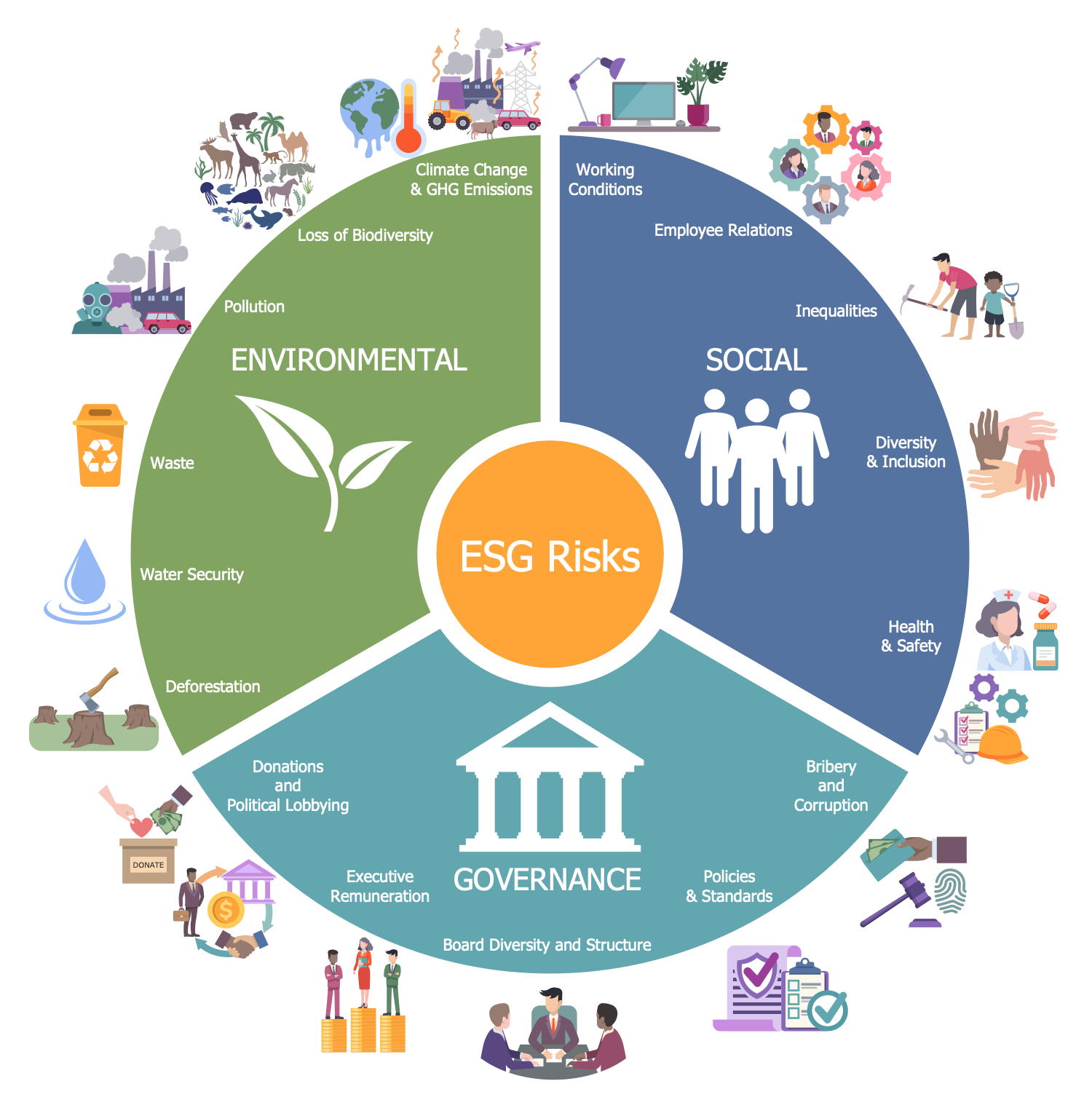
- Identify the three most significant environmental, social, and governance impacts—both positive and negative.
- Establish baseline measurements for energy use, waste production, employee satisfaction, and community investment.
For government entities:
- Identify your specific business case—how can increased ESG engagement create value for your organization?
- Map current ESG-related activities and impacts.
- Identify the three most significant environmental, social, and governance impacts—both positive and negative.
- Align activities with IFRS S1/S2 structures and the most relevant SDGs.
For all organizations:
- Engage stakeholders through focused discussions, not lengthy surveys.
- Start with quick wins—switching to renewable energy suppliers, employee volunteer programs, or transparency dashboards.
- Report progress in clear, credible formats to attract investment, reduce risk, and strengthen reputation.
The Competitive Edge
Organizations that move first in Ghana’s ESG transformation will capture multiple advantages: preferential access to international capital, reduced regulatory risk, enhanced talent attraction and retention, stronger community relationships, and improved operational efficiency.
The global shift toward sustainable business practices isn’t slowing down—it’s accelerating. Ghana can either lead this transformation in Africa or follow. The choice belongs to today’s business and government leaders.
ESG done right isn’t about compliance—it’s about competitive advantage. Ghana’s natural strengths position us perfectly to demonstrate that sustainable practices and strong financial performance aren’t just compatible—they’re complementary.
Next week, we’ll explore ESG Reporting & Communications Made Easy—practical strategies for effectively communicating your ESG value without getting lost in complex frameworks or overwhelming stakeholders with unnecessary detail.