
The Global Hazelnut Crisis: A Cold Snap and Climate Change Impact
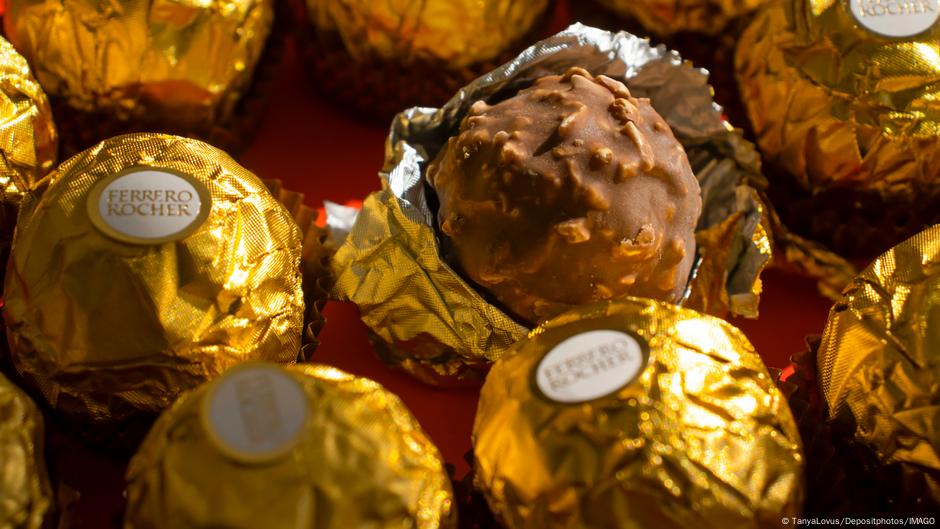
A recent cold snap has significantly reduced the hazelnut harvest in Turkey, the world’s largest supplier of this essential nut. This development is causing ripple effects across the global confectionery industry, with brands like Nutella, Ferrero Rocher, and Ritter Sport facing potential price hikes. The situation highlights how climate change and extreme weather events are increasingly disrupting food supply chains.
The latest issue in a long list of global shortages includes everything from toilet paper during the pandemic to sunflower oil during the Ukraine war and eggs during bird flu outbreaks. Now, the hazelnut has become the next casualty, primarily due to a rare and severe frost in April 2025 in Turkey, which is responsible for over 70% of the world’s hazelnut production. These conditions have been exacerbated by ongoing climate change pressures, making it harder for farmers to predict and manage their harvests.
Hazelnut prices have surged by more than 35% since April, as exporters scramble to secure the limited supply. At one point, Turkish hazelnut futures reached over 200 lira per kilogram, or around $4.91, with international prices predicted to exceed $10 per kilogram. This sharp increase is expected to hit consumers hard, especially those who enjoy products like Nutella, which relies heavily on hazelnuts.
Nutella’s Hazelnut Headache
Although hazelnuts may not always be in the spotlight, they play a critical role in many popular products. For companies like Ferrero, which produces Nutella and uses approximately a quarter of the world’s hazelnut supply, the impact of the shortage is significant. Hazelnuts make up about 13% of Nutella’s recipe, and with millions of jars sold annually, even small price increases can lead to higher production costs and squeezed profit margins.
If the shortage persists, Ferrero and other confectioners might need to reformulate their recipes or reduce product sizes. This could mean smaller portions or higher prices for consumers, particularly as the holiday season approaches. Ferrero sources its hazelnuts from multiple regions, including Italy’s Piedmont region, where high-quality Tonda Gentile hazelnuts are grown, as well as from Turkey, Chile, and the United States.
In response to concerns, Ferrero stated that it diversifies its sourcing globally and does not anticipate any supply disruptions. However, the company acknowledges the challenges posed by the current situation.
How Bad Is the Hazelnut Shortfall?
According to estimates from the Turkish Statistical Institute (TurkStat) in June, the 2025 hazelnut crop was initially projected at 520,000 metric tons, down from the original forecast of 750,000 tons. Later revisions increased the estimate slightly. Meanwhile, the International Nut & Dried Fruit Council (INC) reported that the frost in Turkey reduced the hazelnut crop forecast by nearly 22%, bringing it to around 601,000 tons in-shell.
The INC estimated that Turkey lost about 167,000 tons to the frost, compared to earlier fears of 250,000 tons. Fortunately, some of Turkey’s 2022 crop—around 150,000 metric tons—was stored and has now been exhausted, helping to mitigate the shortfall.
Confectioners Seek Alternative Supplies
To reduce reliance on Turkey, corporate buyers are turning to alternative sources such as Chile, Georgia, and the United States. However, these regions produce far less than Turkey, and U.S. hazelnuts, mainly from Oregon, differ in flavor and cost less. Scaling up production elsewhere takes years, as hazelnut trees require 5-7 years to mature, limiting short-term relief.
Some experts believe that Turkey’s delay in announcing a base hazelnut price last year created uncertainty, leading to panic buying and price volatility. Traditionally, the Black Sea Exporters’ Association (KiB) sets a price floor to stabilize the market, but the absence of this measure amplified fears and tightened supply further.
Climate Change and the Future of Hazelnuts
The current crisis also underscores a deeper vulnerability: the fragility of agriculture in the face of climate change. Hazelnuts are highly sensitive to spring frosts, and this year’s event is a reminder that climate change brings not just heat but unpredictability.
Coffee and cocoa have also faced climate-related disruptions. Alongside the hazelnut shortage, confectioners are rethinking their sourcing strategies and ingredient choices. Experts warn that erratic weather patterns may become more frequent, threatening not only hazelnuts but also almonds and walnuts.
As the global community grapples with these challenges, the need for resilient agricultural systems and sustainable practices becomes more urgent than ever.