
Major Changes in F1 Regulations for 2026
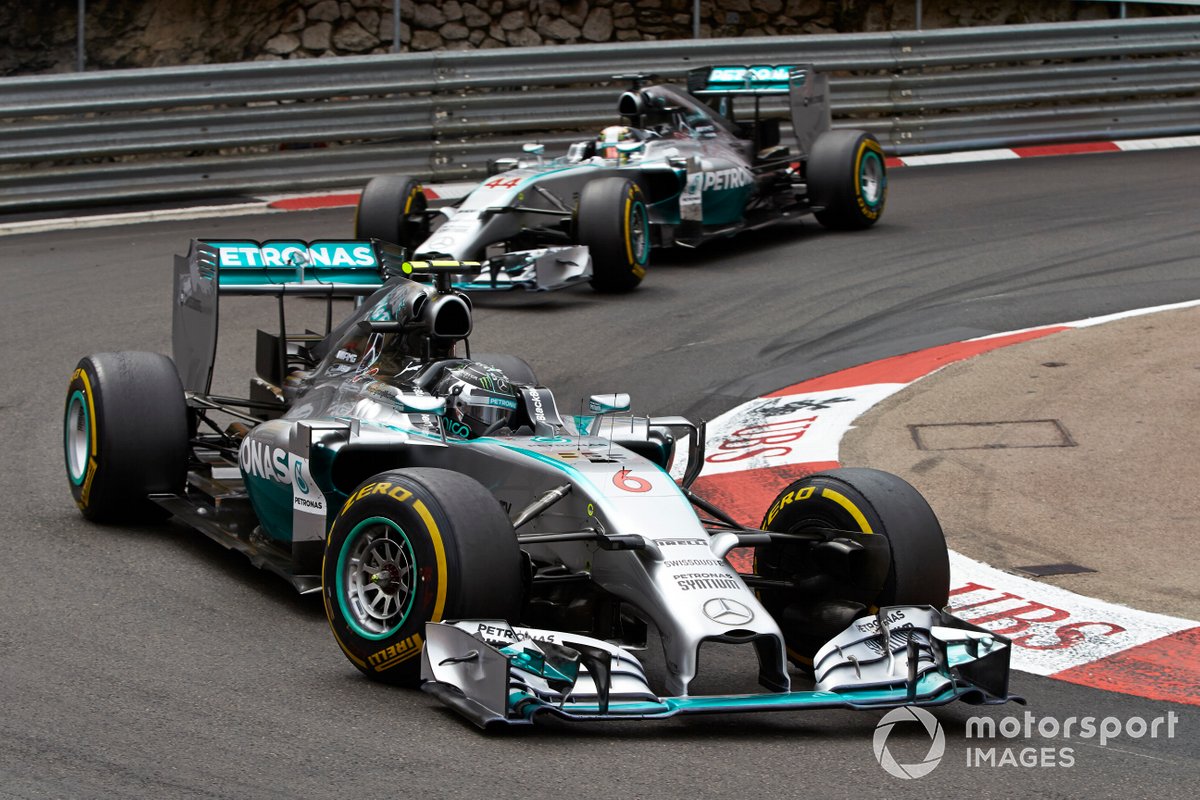
Next year, both chassis and power unit regulations will undergo significant changes. Many technical directors within the F1 paddock consider this to be the most substantial overhaul in the past 50 years. Alongside concerns from drivers about the overall racing experience, there are fears that these changes could lead to long-term dominance by a single manufacturer. This concern is not unfounded, as history shows that when Mercedes’ engine proved superior in 2014, the factory team dominated the championship until 2020.
Despite these concerns, the FIA remains confident that history will not repeat itself in the new era starting in 2026. Nikolas Tombazis, the FIA’s single-seater director, stated that he does not believe a single manufacturer will have such a huge advantage as was seen in 2014. He explained that the new engine formula is less complex, even though there has been a substantial increase in electrical power. The engines are still not as simple as desired, but they are simpler than the current generation. The absence of the MGU-H, which was a major performance differentiator and costly component, should provide a more level playing field for newcomers while also reducing development costs.
Concessions System to Prevent Dominance
While it cannot be ruled out that one manufacturer may initially perform better than others, the FIA acknowledges that not all power unit manufacturers are equally transparent or willing to share data about their new engines. However, the FIA has learned from the 2014 experience and has introduced a safety net system to allow underperforming brands to close the gap through concessions.
The new system, known as ADUO (Additional Development and Upgrade Opportunities), allows manufacturers who fall behind to receive additional support. According to Tombazis, every five or six races, the performance of each power unit manufacturer will be measured. Those below a certain threshold will receive benefits that include additional development money, more dyno hours, and the possibility of making a new homologation of the engine. This gives lagging manufacturers the opportunity to catch up.
The 2026 technical regulations specify that this assessment will occur after the first five race weekends each season. Over the first five competitions of each championship season, the FIA will monitor the performance of the internal combustion engine (ICE) part of all power units. An average power will be calculated for each ICE, and any manufacturer whose ICE power is more than 3% below the highest recorded ICE power will be granted ADUO opportunities. These opportunities relate to specific components listed in Appendix 3 of the technical regulations, allowing manufacturers to improve their engines if they are granted special status.
Clarifying the Intent of the System
Tombazis emphasized that the ADUO system should not be mistaken for a Balance of Performance, as used in other series like the World Endurance Championship. He stressed that the regulations are the same for everyone, and no manufacturer receives advantages such as increased cubic capacity or fuel. He noted that without a cost cap, manufacturers behind would be forced to spend more money to catch up, which could lead to unfair situations.
To prevent such scenarios, the FIA is also working on a safety net for manufacturers facing serious reliability issues at the start of a new era. For example, if a manufacturer experiences frequent engine failures, leading to high costs, they could receive cost cap relief once they exceed a certain number of engine uses. This initiative aims to protect manufacturers from being trapped in a cycle of failure due to the cost cap.
Conclusion
Combined with the slightly simpler power unit formula, these measures aim to avoid a repeat of the 2014 scenario and ensure competitiveness across the F1 field. By providing support to underperforming manufacturers and addressing potential reliability issues, the FIA is taking proactive steps to maintain a balanced and exciting competition.