
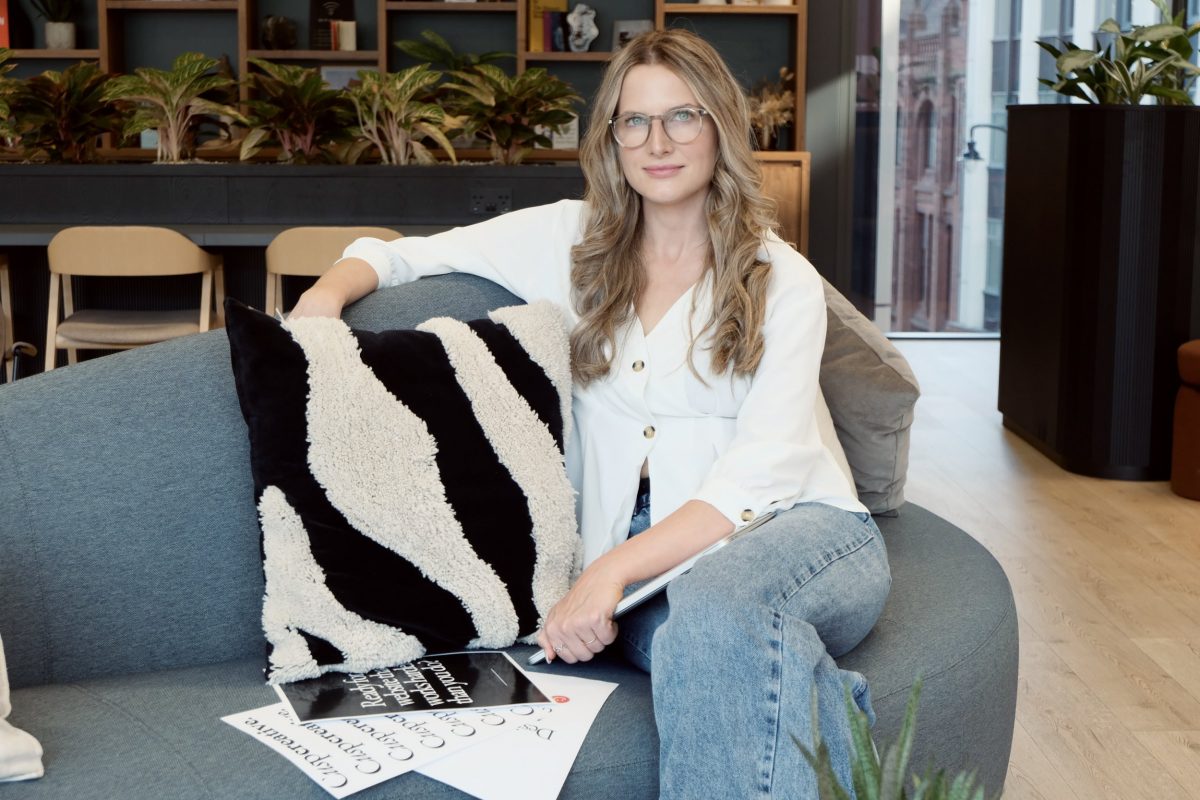
Understanding Emily Newport’s Financial Journey
In the ongoing series "How I Manage My Money," we explore how individuals in the UK manage their finances, including spending, saving, and investing to meet their goals. This week, we speak with Emily Newport, a 35-year-old freelance designer living in Bristol with her husband James, 38, their children Alife, 15, step-daughter Jess, 14, and daughter Jenny, nine, along with their Labrador dog Reggie.
Emily previously held a stable job but decided to transition to freelance design a few years ago, which has made her more reliant on her husband's income. She currently does not have a pension and aspires to earn £70,000 annually.
Monthly Budget Overview
Emily's monthly income fluctuates due to inconsistent work as a freelancer. She typically earns between £2,500 and £3,500 per month, with an average of £3,000. She also receives £173.20 per month in Child Benefit. A portion of her business income is set aside for tax, national insurance, and professional development.
Her husband works as a buyer for a construction company, and together they manage their expenses. Their monthly outgoings include mortgage, council tax, utilities, groceries, and various other bills. They also allocate funds for travel, entertainment, and family activities.
Background and Career Path
Growing up in Bristol, Emily was raised in a household where financial responsibility was emphasized. Her father worked for Great Western Railway, while her mother worked in the care sector. Debt was strictly avoided, and she didn't own a credit card until her mid-twenties.
After becoming a mother in 2009, Emily took on part-time roles before working as a communications manager and personal assistant at a local secondary school. Despite the job being part-time and term-time only, she struggled financially and left the role in 2021. She sought a more flexible career that would allow her to be with her children while earning a decent income.
Emily found an opportunity to complete a fully-funded marketing course at Bath Spa University, which led her to start as a freelance virtual assistant. Although exciting, this transition was challenging as it marked the first time she had no traditional job. She felt guilty about the financial pressure on her husband, who remained supportive despite the challenges.
Financial Management and Challenges
Following her departure from the school, Emily and her husband had to adjust their financial arrangements. She moved all direct debits to her husband and canceled non-essential subscriptions. These changes affected their relationship dynamics, as her husband is cautious with money, while her approach can be more carefree.
They do not often discuss finances, making it difficult for Emily to admit when she was struggling. She now works as a freelance designer, focusing on websites, landing pages, and brand-design assets for service-based businesses. She uses FreeAgent and spreadsheets to manage her finances, though she finds the process demanding. An accountant handles her tax matters.
Savings and Retirement Planning
Emily lives in a four-bedroom house purchased in 2017 for £250,000. While her mortgage has remained stable, she currently has minimal savings. She uses a Plum account to auto-save small amounts, but often withdraws them when cash flow is tight. She saves 20% of all income for tax and national insurance.
She does not contribute to a pension, although her father advised her to prioritize one. She had two small pensions through previous jobs but is unsure of their current value. She worries about retirement, especially given her current entrepreneurial status and part-time work since becoming a mother.
Emily plans to start regular pension contributions once her income stabilizes. She needs to learn more about pensions and how much she would need for a comfortable retirement. She values financial freedom and wants to support her family while having the ability to travel and provide for her children.
Future Goals and Aspirations
Emily thinks about money daily, as it is part of being an entrepreneur. She is not overly materialistic but is motivated by what money allows her to achieve. She aims to earn £70,000 annually, which she believes would offer financial stability and freedom.
Her long-term goals include moving into a better home, supporting her children's aspirations, and achieving consistent income with a solid base of retainer clients. She also wishes to understand investments better and may explore this once she has more financial security.