
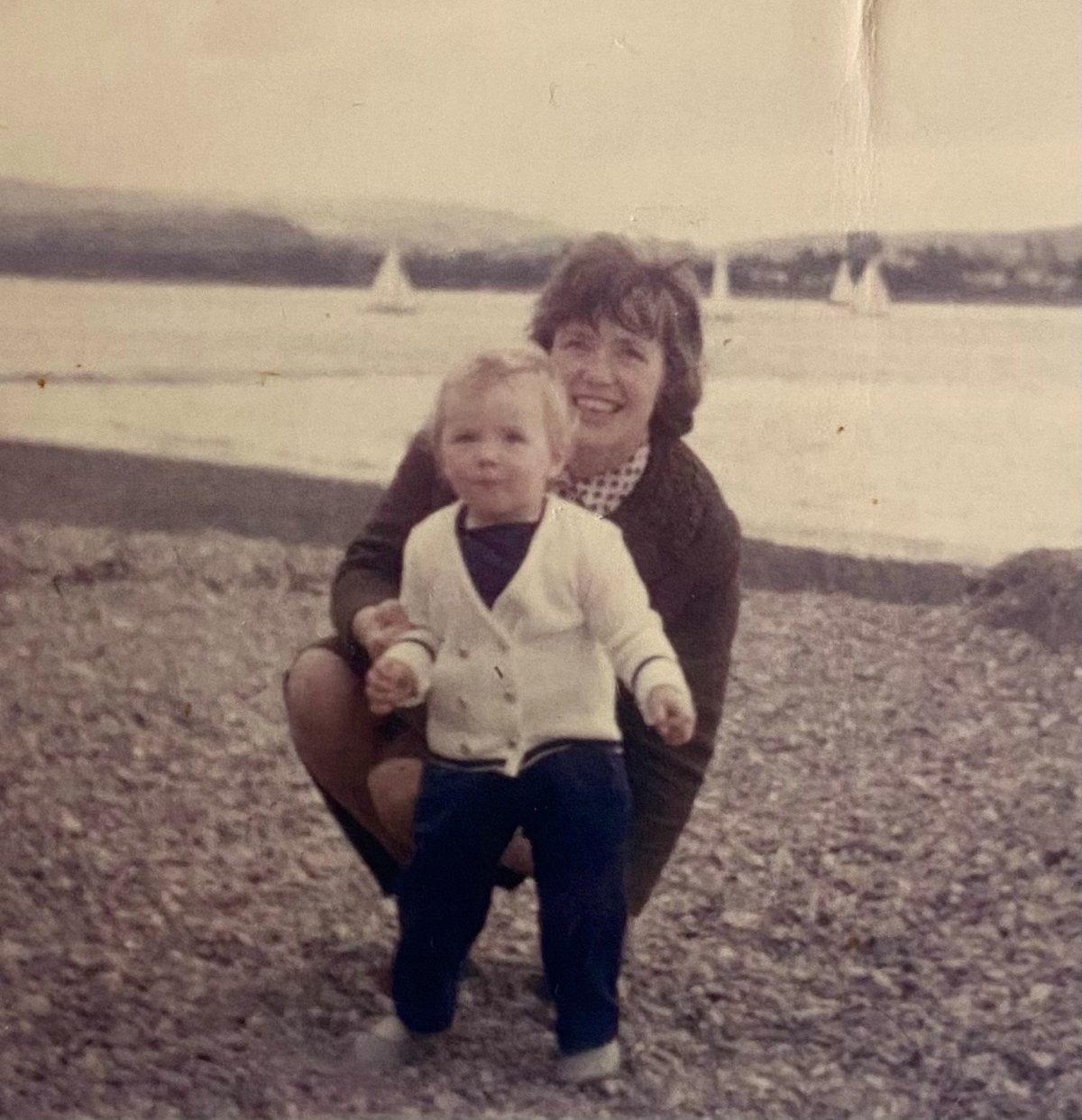
A Personal and Professional Fight Against Alzheimer’s
Alzheimer’s has had a profound impact on my life, both personally and professionally. My mother, Ella Muir, was a sharp and intelligent woman who gradually lost her words and memories to the disease before passing away at the age of 89 in 2015. Her journey with Alzheimer’s has been the driving force behind my exploration into the latest scientific research and strategies to avoid a similar fate.
For children of Alzheimer’s patients and those carrying the APOE4 genetic variant, there is hope. Recent studies show that we can take proactive steps now to reduce our risk. While many are excited about new drugs like Lecanemab, which helps clear amyloid plaques from the brain, these treatments only slow the progression of the disease. As Professor Christopher van Dyck of Yale University noted, “You will get worse over time, but it will take longer to get there.” This is not enough for those of us seeking true prevention.
Prevention through early lifestyle changes and hormone replacement therapy (HRT) offers a more promising path. It’s not just about health—it’s also a feminist issue. Two-thirds of Alzheimer’s patients are women, and research shows that women with early menopause are 35% more likely to develop the disease. Additionally, drugs like Lecanemab appear to be more effective in men than women, yet this is rarely discussed in the media.
The Role of Hormones in Brain Health
Hormones play a critical role in protecting the brain from Alzheimer’s. Women begin losing progesterone and estrogen during menopause, years before men lose testosterone. When estrogen levels drop, amyloid plaques and tau tangles—hallmarks of Alzheimer’s—accumulate in the brain. Replacing missing hormones around menopause has been shown to be protective against late-onset Alzheimer’s.
Professor Lisa Mosconi, author of The Menopause Brain, explains that the decline in estrogen causes the loss of a key neuroprotective element in the female brain, increasing vulnerability to brain aging and Alzheimer’s. The longer a woman is exposed to estrogen, the healthier her brain tends to be. Surgical or early menopause leaves women without this protection unless they use HRT.
A groundbreaking study by Professor Roberta Diaz Brinton at the University of Arizona found that women on HRT were 58% less likely to develop Alzheimer’s. Those who took HRT for six years or more saw a 79% reduction in risk. Brinton believes starting HRT early, during perimenopause, offers the best protection. Hot flashes, she says, are a sign of brain changes, as estrogen loss shifts the brain’s glucose metabolism, potentially leading to Alzheimer’s.
I have chosen to stay on HRT for life, and I’ve seen significant improvements in my memory and cognition. Perimenopausal memory loss or “brain fog” affects 73% of midlife women, and HRT often helps alleviate these symptoms. Severe brain fog could be a warning sign of future cognitive decline.
Beyond Hormones: Diet, Exercise, and Sleep
In addition to HRT, nutrition, sleep, and exercise are crucial for brain health. Professor Mosconi warns that the Western diet—filled with burgers, sugary drinks, and ultra-processed foods—can cause brain atrophy over time. She advocates for the Mediterranean diet, rich in olive oil, vegetables, fruits, oily fish, and fiber, to protect the brain. Vitamin D and Omega 3 supplements also support cognitive function.
A 2025 UK Biobank study showed that people on anti-inflammatory diets like the Mediterranean one had a quarter less risk of dementia. However, access to healthy food and healthcare remains a challenge for those in poverty, increasing their risk of cognitive decline.
Exercise is another powerful tool. A Canadian study found that high levels of physical activity reduced Alzheimer’s risk by 50%. Even 15 minutes of exercise three times a week can lower the risk by 40%. Weight training adds extra protection. I run, walk my dog, and swim year-round.
Sleep is equally important. People who sleep only five hours a night double their Alzheimer’s risk, while those with six hours still face a 30% increase. Menopause-related sleep disruption, such as hot flashes, further raises the risk, making HRT a valuable option.
Additional Strategies for Brain Health
Meditation has also shown benefits for brain function. A study in Frontiers in Human Neuroscience found that meditation improved brain structure and energy levels in patients with mild cognitive impairment or Alzheimer’s. However, it did not reverse existing damage.
Drugs like GLP-1s, used for diabetes, have shown a lower risk of dementia over 10 years, though it’s unclear if the effect is due to the drug itself or better weight management and nutrition.
I’ve also reduced my alcohol consumption, as research shows even small amounts can increase brain damage. I’ve nearly given up drinking, but I still enjoy a low-alcohol lager, which tastes surprisingly good.
Genetic Risk and the Path Forward
Carrying one copy of the APOE4 gene doubles or triples the risk of Alzheimer’s, and two copies can increase it eightfold or more. For those of us caring for loved ones with the disease, it’s hard not to wonder if we’ll face the same fate.
While decades ago we had little hope, today, new research appears almost daily. An attack on all fronts—holistic and hormonal—is the best way forward. Living well and paying attention to hormones may be simple advice, but it could be life-changing.
For more information, follow my research at KateMuir.substack.com and read my book How to Have a Magnificent Midlife Crisis.