
The Challenge of Distinguishing Legitimate Business Models from Digital Scams
In an age where digital scams are constantly evolving and becoming more complex, the ability to differentiate between genuine business models and fraudulent schemes has never been more critical. This challenge is particularly evident in regions like Africa and Asia, where confusion around legitimate companies often leads to misperceptions and reputational damage.
One such company that has faced significant public misunderstanding is QNET, a global direct-selling enterprise offering lifestyle and wellness products. Despite having a clear product-based business model and operating under regulatory frameworks in numerous countries, QNET continues to be wrongly labeled as a scam in parts of Africa and Asia. This misrepresentation not only harms the company's reputation but also undermines the credibility of legitimate businesses and hinders opportunities for those who rely on legal network marketing for their livelihoods.
The situation has escalated into a national crisis in Nigeria, where scam syndicates are exploiting the hopes of job seekers and damaging the image of QNET in the process. In response, QNET is taking strong measures to protect its brand, its legitimate entrepreneurs, and vulnerable Nigerians from the influence of fraudsters.
A Growing Threat: The Rise of Financial Fraud in Nigeria
The scale of the problem is alarming. According to the Nigeria Inter-Bank Settlement System (NIBSS) landscape report, the annual fraud count in Nigeria increased by 112% from 44,947 in 2019 to 95,620 in 2023. Additionally, the amount lost to fraud grew by 496%, rising from N2.9 billion to N17 billion during the same period. The CBN Financial Stability Report 2024 further highlights a 45% increase in financial fraud cases, with 70% of losses attributed to digital channels, including unregulated virtual asset platforms.
Moreover, the Securities and Exchange Commission (SEC) and other regulatory bodies have identified over 30 Ponzi-style investment schemes that exploit narratives around digital currencies. These figures underscore the severity of the issue: scam syndicates are no longer just a nuisance—they are a national crisis that preys on economic desperation.
QNET’s Multi-Faceted Approach to Combating Fraud
In response to this growing threat, QNET has intensified its efforts to combat impersonation scams, fake job offers, and fraudulent investment schemes that misuse its brand name. Working closely with key Nigerian regulatory agencies such as the Economic and Financial Crimes Commission (EFCC), Federal Competition and Consumer Protection Commission (FCCPC), and various police commands, the company has adopted a zero-tolerance policy towards misinformation, exploitation, and criminal deception.
In March 2023, QNET launched a nationwide Social Awareness campaign that reached over 50 million Nigerians. The initiative emphasized that QNET does not offer jobs or investment opportunities, but rather operates on a legitimate, ethical business model based on the sale of real products. To reinforce this message, the company initiated billboard and radio campaigns across Lagos, Ogun, and Rivers States, distributing over 3,000 public awareness pamphlets on fraud sensitization.
“We won’t stand by while fraudsters exploit trust and economic hardship,” said Mr. Biram Fall, Regional General Manager for QNET in Sub-Saharan Africa. “Our business is built on transparency and real product value, not recruitment or investment promises. That’s why we work with regulators to expose bad actors and ensure Nigerians know the truth about who we are.”
Ethical Business Practices and Community Engagement
QNET operates on a product-based direct selling model, where Independent Distributors earn commissions from product sales—not from recruitment or investments. Despite this, confusion persists in regions affected by Ponzi schemes and financial scams. Mr. Fall highlighted that QNET was not listed among the 58 Ponzi-related companies mentioned in the EFCC’s March 2025 report.
Between 2022 and 2023, QNET investigated and terminated 81 Independent Distributor accounts in Sub-Saharan Africa that had violated its Code of Ethics. In November 2023, the company launched its flagship Say NO! campaign in Nigeria, Burkina Faso, and Senegal, aiming to raise awareness and dismantle fraud networks posing as legitimate businesses.
Through grassroots activities such as local-language radio jingles, comic-style pamphlets, billboards, WhatsApp hotlines, and public-sector partnerships, the campaign empowers at-risk communities to recognize red flags such as unsolicited job offers or demands for upfront payments.
Collaborations and Educational Initiatives
Beyond awareness, QNET’s partnerships with Nigeria’s top regulatory bodies have led to joint investigations, resulting in the shutdown of over 50 fake recruitment websites and the arrest of 30 impostors in 2024 alone.
In March 2024, QNET partnered with the Lagos State Consumer Protection Agency (LASCOPA) to mark World Consumer Rights Day under the theme “Fair and Responsible AI for Consumers.” LASCOPA’s General Manager, Afolabi Solebo, praised the collaboration, stating that it strengthens efforts to combat unfair practices and uphold transparency in the marketplace.
Building on this success, QNET and LASCOPA reunited for World Consumer Rights Day 2025, reinforcing the company’s long-term commitment to protecting consumers and promoting ethical business practices.
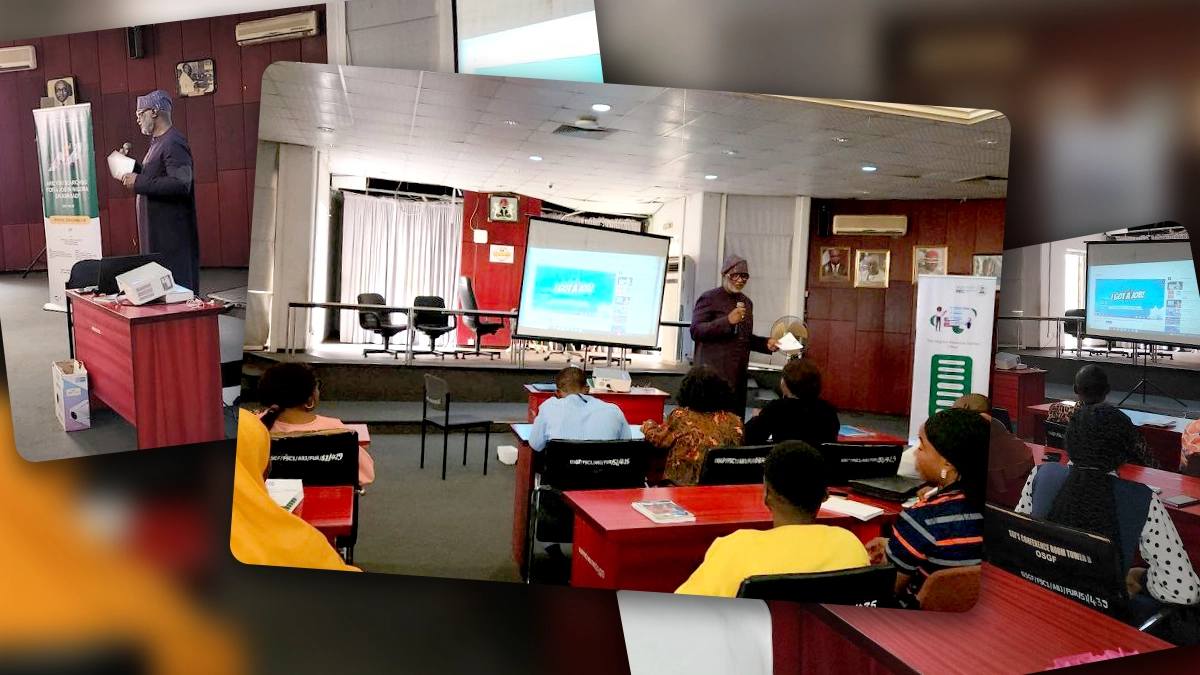
Additionally, QNET collaborated with the Federal Ministry of Labour and Employment (FMLE) in July 2024 to train 50 unemployed youths in identifying fraudulent job schemes. As part of its proactive strategies, the company is also addressing financial vulnerability through education.
Its signature financial literacy programme, FinGreen, launched in 2022 in partnership with Transblue Limited, has trained over 1,500 young people and women across Nigeria in budgeting, saving, responsible spending, and digital financial literacy.
A Commitment to Ethical Entrepreneurship
For QNET, this fight goes beyond corporate reputation—it is about safeguarding the aspirations of honest entrepreneurs and consumers who believe in ethical direct selling. The company has overhauled its internal compliance systems, introduced rigorous agent training, and launched clearer brand messaging to separate fact from fiction.
These coordinated efforts across consumer protection, policy engagement, internal enforcement, and public education reaffirm QNET’s long-term commitment to ethical entrepreneurship and community safety. The company remains steadfast in its mission to empower individuals, combat misinformation, and build a more transparent, opportunity-driven Africa.