
Nepal's Olympic Committee Faces Interference Threatening Asian Games Participation
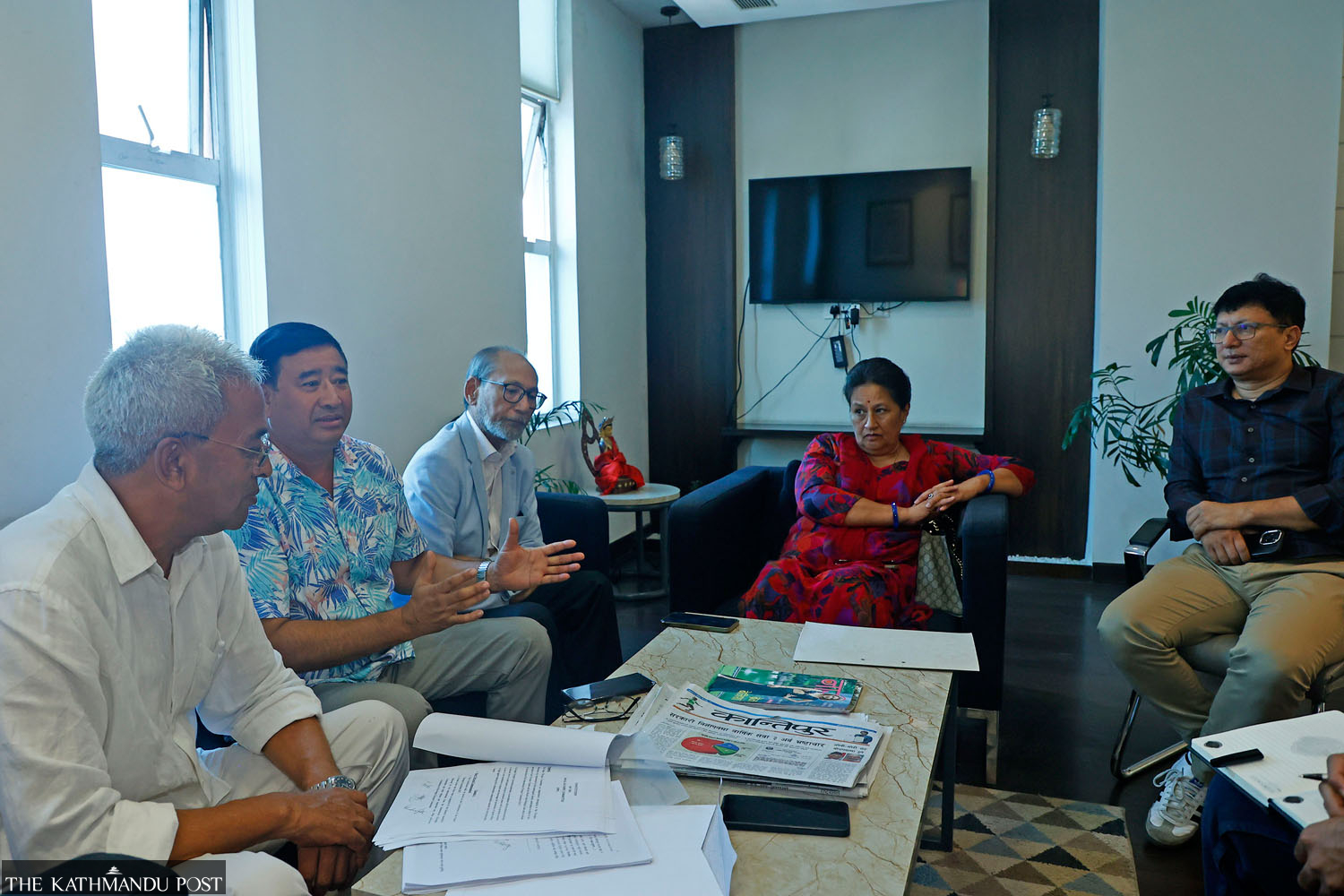
Nepal’s participation in the 2026 Asian Games, set to take place in Nagoya, Japan, is under threat due to interference from state authorities. The Nepal Olympic Committee (NOC) has raised concerns about the ongoing conflict with government bodies, which they claim is undermining their ability to prepare for the event.
The 20th edition of the Asian Games will be held from September 19 to October 4, 2026. The NOC had initially submitted a list of 30 sports associations for inclusion in the games. However, shortly after this announcement, the Ministry of Youth and Sports issued a statement claiming that it had sent an alternative list of 31 sports. The ministry requested the Asian Games organizers not to accept the NOC’s list, citing its illegitimacy.
Despite these claims, the Asian Games organizers, represented by the Olympic Council of Asia (OCA), rejected the ministry’s list. They emphasized that the NOC has the right to decide on the participating disciplines. The OCA and the International Olympic Committee (IOC) have recognized the newly elected leadership of the NOC, led by Jeevan Ram Shrestha.
Legal Disputes and Institutional Conflicts
The Ministry of Youth and Sports has been disputing the legitimacy of the new NOC leadership, arguing that they violated a court order by amending their constitution. Specifically, the amendment allowed the president to run for a third term. However, Shrestha clarified that the changes were made in accordance with the law.
“We started the extraordinary general assembly at 8:30am on December 3 last year, endorsed the amendments, and called for an election within an hour. We received the court’s order at 2:11pm. Thus, we did not go against the court’s order,” Shrestha explained.
The IOC and OCA have accepted the NOC’s amendments and the election process, as they believe the actions were lawful. Emails from the IOC, including one from James Macleod, director of NOC Relations, confirmed this support. Macleod also urged the minister to avoid interfering with the NOC’s operations, emphasizing the importance of autonomy in the Olympic Movement.
Formation of an Ad-Hoc Committee
Tensions escalated when a nine-member ad-hoc committee was formed, with former NOC president Dhruba Bahadur Pradhan as chairman and Samim Miya Ansari as spokesperson. According to the committee’s statement, it was supported by 23 of the 31 sports associations registered with the NOC. However, this claim is disputed, as most internationally recognized officials of these associations back the current NOC leadership.
The ad-hoc committee has not revealed its members or provided evidence of formal backing from the National Sports Council (NSC) or the ministry. Minister Teju Lal Chaudhary announced the formation of the committee on August 1, but the committee itself does not clarify which authority authorized its creation.
“This committee is like a group of people at a tea shop forming a cabinet and declaring one as prime minister,” said Shrestha, highlighting the lack of legitimacy.
Impact on Asian Games Preparation
The situation has raised concerns about the future of Nepal’s participation in the 2026 Asian Games. With less than a year until the event, the NOC must finalize the number of athletes for the 30 sports by September 16. However, securing the necessary budget for travel, accommodation, and other expenses remains a challenge.
“If the ministry continues interfering in our work and the government does not ensure the budget, Nepali athletes might not be participating in the Asian tournament,” warned Shrestha.
The Master Plan for the Asian Games outlines cooperation between organizers and the NOC to build networks and provide support. For the OCA, Shrestha and Rajiv Shrestha are designated as key contacts for Nepal.
Calls for Resolution
NOC Vice-President Chaturananda Raj Vaidhya stressed the need for all authorities to perform their duties without interfering with each other. “We will follow the law of the land as well as that of the IOC and the OCA,” he said. “We expect the ministry, the NSC, and sports associations to do the same.”
Currently, the NOC is unable to send representatives to Japan for preparation due to restrictions imposed by the Department of Immigration. These restrictions, issued under a letter from the NSC, are considered unlawful as they were not backed by a court order.
With the stakes high, the situation demands immediate resolution to ensure Nepal can compete in the 2026 Asian Games. The ongoing disputes threaten not only the participation of athletes but also the reputation of the country in the international sporting community.