
The Power of Boredom in Child Development
I watched as a small, drool-covered baby was surrounded by a group of adults who were completely captivated by its every move. It had all the signs of high intelligence—though not in the traditional sense. If your definition of intelligence includes a strong survival instinct, the ability to scream on command, and an uncanny knack for getting adults to do exactly what it wants, then this baby was clearly brilliant.
The crowd was filled with expressions of adoration. One person exclaimed, “So ugly it's cute!” while another cooed, “My little baby kitty!” They tweaked its cheeks and spoke in a voice only dogs and dolphins could understand. I squinted, trying to figure out if this was some kind of game. Then it hit me—like when Vietnamese people say “I hate you” but really mean “marry me.” So I decided to join in.
“Let’s punch the baby!”
Silence.
The mother clutched her child like I had just sprouted rabies. The baby let out a howl that could trigger a nationwide emergency alert. Everyone looked at me as if I had just stepped on the national flag in muddy boots. Clearly, I was playing the wrong game.
To calm the “victim,” someone quickly turned on the TV and summoned the ancient parenting spell: Baby Shark. Within seconds, the baby stopped crying. Its eyes went blank, and its head started bobbing gently, like a sleepy chicken on a motorbike. The lesson was clear: you don’t need to understand anything. As long as the music is cheerful, the colors are bright, and a grown-up presses play, you’re good.
But here’s the thing—boredom is how kids learn. When there’s nothing left to entertain them, they begin to think. They crawl around, taste an ant, touch a hot kettle, and scream. That’s when the brain kicks in and locks in the first real lesson: don’t lick the floor, don’t touch the boiling thing. Human development wasn’t built on flashcards and phonics apps. It came from a mess of trial, error, survival, and trying again with fewer bruises.
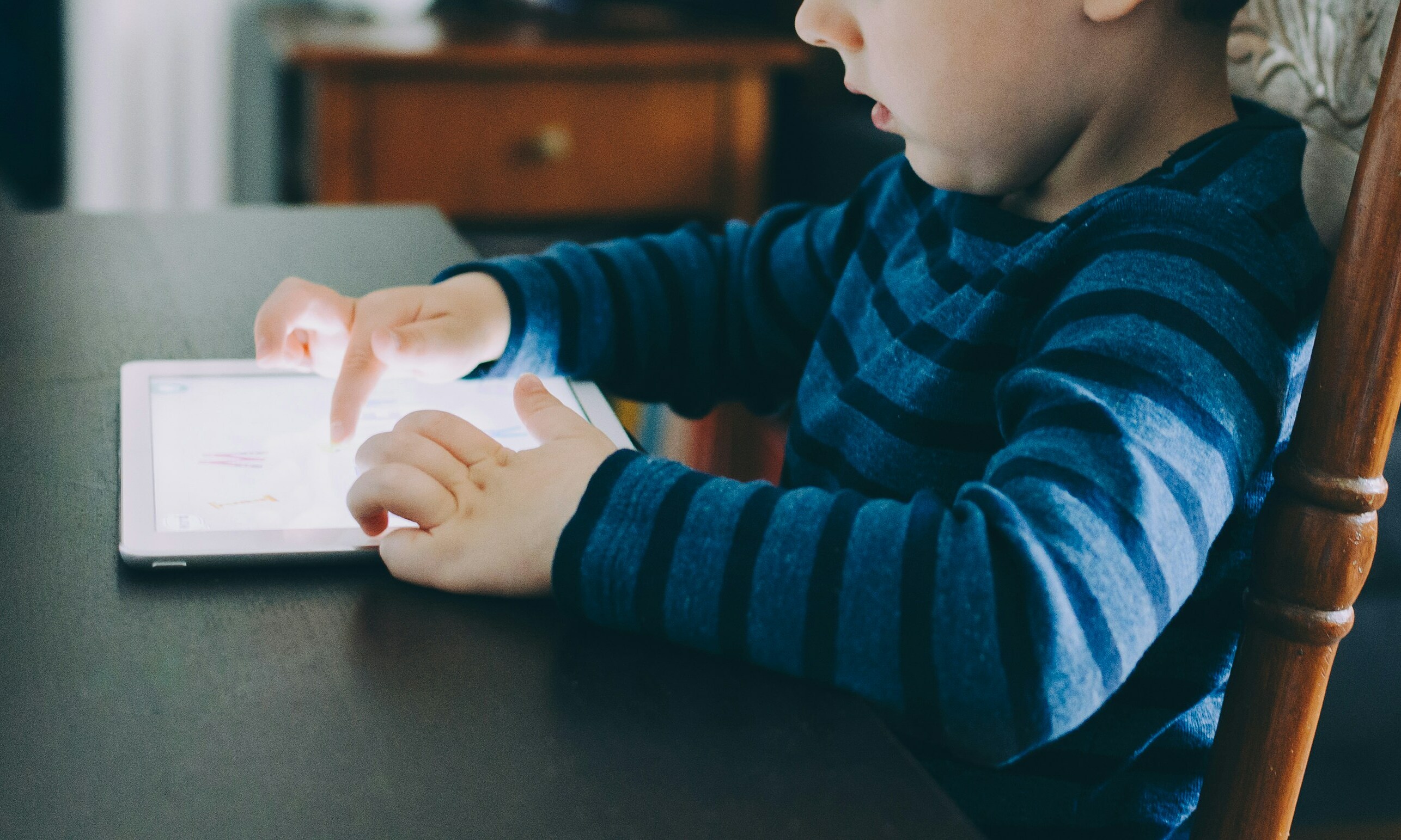
According to a study from the Center for Toddler Development at Barnard College, kids raised on a steady diet of iPads and iPhones actually develop more slowly than those who grow up tech-free. While sticking a screen in front of a child is convenient, it can slow down emotional growth, stunt social skills, and even mess with basic coordination. It’s like pouring digital syrup into their brains—everything gets sticky and sweet, but nothing useful gets built. What you’re left with is a generation that sits still, but feels empty.
In the same study, researchers compared two groups of children. One group was raised with all the latest tech, while the other grew up playing in dirt, falling down, and getting back up. The results were striking. The tech kids showed a massive drop in curiosity. And once curiosity disappears, passion isn’t far behind. Without passion, the only thing left is muscle memory, swipe, scroll, and wait for the day to end.
Do you remember life before the internet? Back then, if you wanted to know something, you had to go to a library. You had to physically go somewhere, flip through real books, and hunt down an answer like an academic caveman. And when you finally found it, that information stuck. It clung to your brain like a tattoo. Now? You Google something in the morning, and by lunchtime it’s been erased by cat memes and the latest TikTok trend involving a blender, a ukulele, and questionable parenting choices.
A thousand years ago, humans built pyramids (allegedly). They wrote poetry under the stars and mapped the night sky, dreaming of distant planets. Today? We sit hunched in front of screens, scrolling endlessly, trying to figure out which YouTube thumbnail has the most dramatic face so we can click on it.
So how do we fix this? How do we pull our kids, and ourselves, out of the dopamine whirlpool we keep willingly swimming in?
Simple. Let them get bored.
You don’t need a 300-page parenting manual imported from Denmark, or a PhD in Japanese child psychology, or a Silicon Valley app with pastel icons. You just need to turn off the screens, kill the “doo doo doo” soundtrack, and let them face that scary, wonderful thing called boredom. Because curiosity is like a small garden. You can’t yank it out of the ground. But you can water it. You can wait. And eventually, it grows.
Before you know it, you’ve got a tiny scientist running around your house, firing off questions that make you question everything: “Mom, what are houses made of?” “Dad, how do trees know which way is up?” “Why does your food taste like the restaurant but cost less?” That’s it. Curiosity leads to questions. Questions lead to discovery. Discovery builds thinking. And real thinking, that’s what turns your child into a human being, not just an iPad that screams when it’s hungry.
Meanwhile, in Vietnam, curiosity often gets crushed before it has a chance to sprout. Not only by iPads, but by homework too. By after-school classes. By cram centers disguised as “enrichment.” It’s like feeding a kid a soggy veggie burger: one sad gray meatball of rote learning, wedged between layers of limp worksheets and group photos they’ll never look at again.
Please. Let your kid get bored. Let them poke ants. Stare at leaves. Ask where seeds come from and how trees know when to grow. That’s not a waste of time, it’s the beginning of thought.
Silence shouldn’t mean numbness. And order shouldn’t come from surrender.
We don’t need to ban screens entirely. This isn’t about going back to oil lamps, cooking rice with straw, or letting your kid play with a rock and call it “educational.” What matters is knowing what screens are doing, to you, to your child, and choosing when to say, “Not today.” Or not. That’s your call.
Just don’t be too shocked when your kid grows up, graduates, gets a job, knows how to sign a contract and drive a car, but still starts drooling every time they hear: “doo doo doo doo doo…”
Told you.
Up to you.