
Understanding the Impact of Heatwaves in the UK
The UK is experiencing a different kind of heatwave compared to other regions, particularly continental Europe. One reason for this is the higher humidity levels in the UK's air, which makes the heat feel more oppressive. Additionally, many homes in the UK are designed with insulation that helps retain warmth during colder months but can lead to uncomfortable temperatures when the mercury rises. As a result, homeowners and tenants are finding themselves struggling with rising temperatures, especially as the country faces its fourth heatwave of the summer.
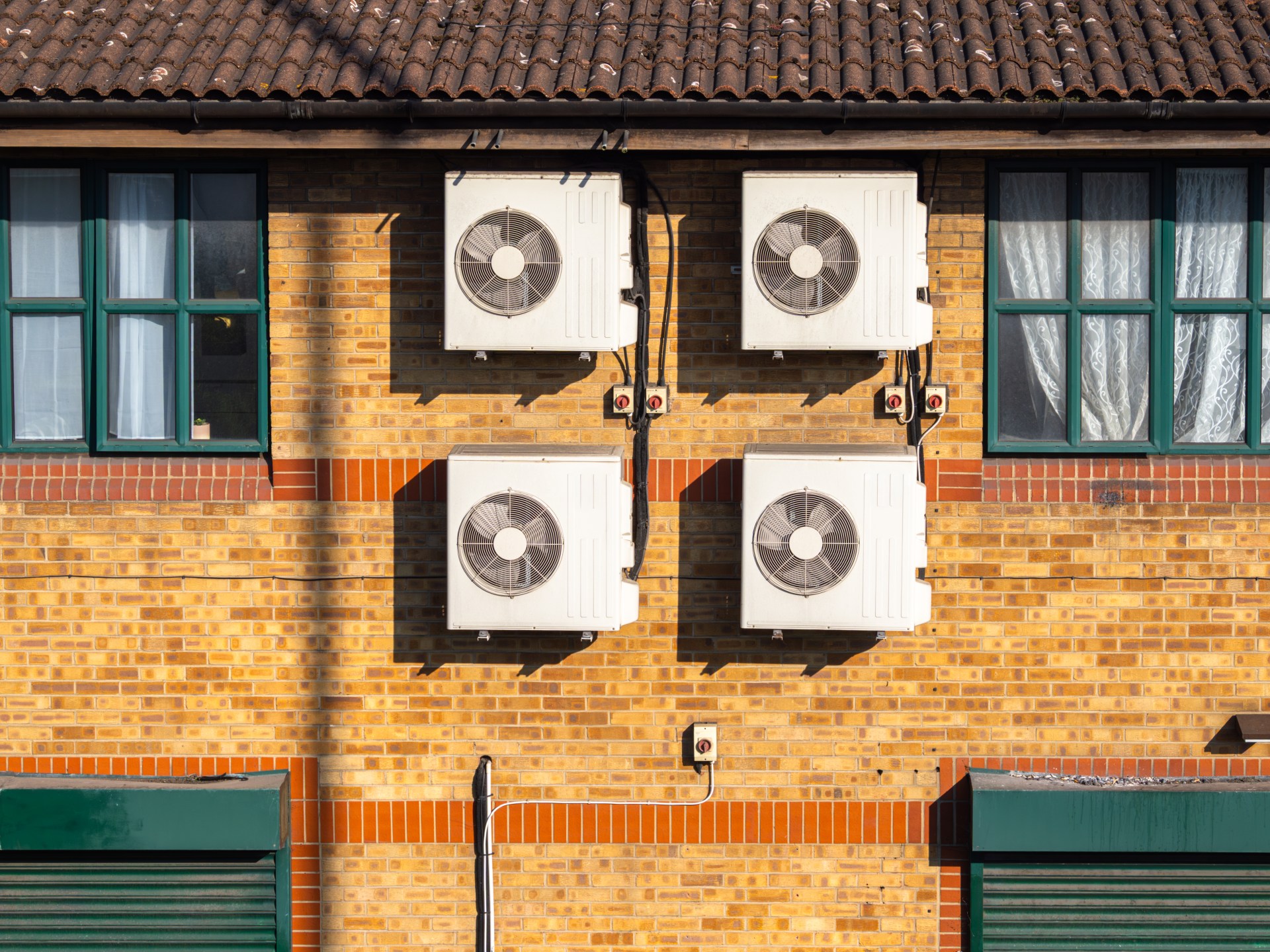
With temperatures pushing over 30°C, it’s no surprise that many people are considering air conditioning as a solution. However, the decision to install AC is not one to be taken lightly. According to John Small, an eco performance specialist at Ty Eco, air conditioning can offer benefits such as improved sleep, better air quality, and even heating capabilities in winter. Yet, he emphasizes that the upfront costs, ongoing running expenses, and environmental impact must all be considered before making such an investment.
The Cost of Installing and Running Air Conditioning
The cost of installing air conditioning varies depending on the type of system chosen. Fixed units typically range from £1,000 to £2,000 per room, while full ducted or multi-room systems can cost between £6,000 and £9,000 or more. In addition to installation, there are ongoing running costs to consider. Portable AC units may cost around 20-30p per hour, while in-built systems might run at approximately 22p per hour. This translates to roughly £1-2 per day per room.
While these figures may seem manageable, they add up quickly, especially if the system is used frequently. Moreover, the environmental impact of air conditioning is a growing concern. John suggests that passive solutions, such as shading, insulation, and proper ventilation, should be explored first before turning to high-energy cooling systems.
Alternatives to Air Conditioning
For those looking for more sustainable and cost-effective ways to stay cool, fans remain a practical option. A standard fan can cost just 1-2p per hour to operate and, although it doesn’t lower the temperature, it can significantly improve comfort by circulating the air. When combined with smart ventilation techniques—such as opening windows during cooler periods and using blinds to block out sunlight—fans can help manage indoor temperatures effectively without the need for air conditioning.
John recommends that people open their windows when it’s cooler outside than inside and close them when the temperature feels unbearable. This simple strategy can make a big difference in maintaining a comfortable living environment.
Choosing the Right Type of Air Conditioning
There are several types of air conditioning systems available, including split systems, multi-split systems, ducted systems, portable units, and window units. Some newer models also feature smart controls and heat pumps, which can enhance efficiency.
In the UK, John suggests considering air-to-air heat pumps, which provide efficient cooling during the summer and can double as heating in the winter. These systems are more energy-efficient than traditional AC units and may qualify for government incentives under renewable energy schemes. However, he stresses that the most sustainable approach is to design homes in a way that minimizes the need for active cooling altogether.
Challenges of Living in a Heated Urban Environment
London, in particular, faces unique challenges when it comes to extreme heat. The city's infrastructure, with its abundance of dark roads, concrete, and buildings, contributes to the urban heat island effect, making it significantly hotter than surrounding areas. For residents, this means long, uncomfortable commutes and a lack of outdoor spaces to escape the heat.
Courtney Pochin, a writer for zaia news, describes a typical hot summer day in London as “vile.” She highlights the difficulty of navigating the city in such conditions, especially for those living in flats without balconies, gardens, or roof terraces. Many Londoners find themselves trapped in stifling environments, struggling to sleep and resorting to various DIY cooling hacks, from cool showers to placing ice water in front of fans.
As temperatures continue to rise, the need for effective cooling solutions becomes increasingly urgent. Whether through air conditioning, passive methods, or a combination of both, finding the right balance between comfort and sustainability is essential for UK residents.