
Strategies for Effective NECS Reporting
Veteran journalists and media experts from across Africa have come together to discuss practical strategies for improving coverage of natural resources, environment, climate change, and science (NECS) issues. Their insights highlight the importance of in-depth, community-focused reporting that goes beyond surface-level stories.
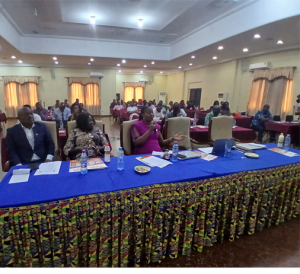
During a panel discussion at the Second Biennial Media Forum on Natural Resources, Environment, Climate Change and Science (BiM-NECS 2), participants emphasized the need for people-centred storytelling, sustained coverage, and better collaboration. They also stressed the importance of using data effectively in NECS journalism.
People-Centred Stories and Long-Term Coverage
One key point raised during the forum was the need for long-term, in-depth reporting rather than episodic coverage tied to crises or special events. Journalists should focus on the experiences of individuals and communities affected by environmental issues. This approach helps create more engaging and impactful stories.
Participants also highlighted the importance of following the money in environmental reporting. Conflicts often have financial drivers, such as corporate interests in mining or other industries. By uncovering these connections, journalists can provide deeper insights into the challenges faced by local communities.
Localising Global Climate Issues
Another important aspect discussed was the need to localise global climate issues to make them relevant to specific audiences. For example, climate change affects coastal, forest, and inland communities differently. Journalists should track international developments, such as the UN climate change agenda, to ensure their reporting is informed and accurate.
This includes understanding national commitments, such as Ghana’s Nationally Determined Contributions (NDCs). Many citizens may not be aware of these targets, yet they are crucial for assessing progress and holding leaders accountable.
Pairing Numbers with Real People's Experiences
Data-driven storytelling was another key recommendation. Journalists should use statistics and research to guide their reporting, but they must also humanise the data by incorporating real people’s experiences. This dual approach makes stories more relatable and emotionally resonant.
Understanding the legal and policy landscape is also essential. Knowing the laws that govern environmental issues allows journalists to hold leaders accountable and report accurately on the challenges facing communities.
Addressing Challenges in Reporting
Journalists face various challenges, including intimidation and limited resources. However, focusing on powerful, community-based stories about sustainability and the struggles of ordinary people can lead to global recognition and professional opportunities.
The concept of "extractive storytelling" was also addressed. This refers to reporting that ignores the perspectives of affected communities. Instead, journalists should centre their work on the lived experiences, coping strategies, and solutions that resonate with their audience.
Highlighting the Politics of Climate Change
Some participants expressed concerns about the dominance of political news in the media, which often overshadows critical coverage of NECS issues. However, they also noted that climate change and environmental stories can be compelling if packaged effectively.
By highlighting the political aspects of climate stories, journalists can connect environmental issues to broader developmental goals. This approach not only makes the stories more relevant but also increases their potential to engage audiences.
Building Expertise and Collaboration
Creating dedicated NECS desks within newsrooms can help ensure consistent reporting on these critical issues. Even if reporters cover multiple beats, defining a niche within the NECS space can build expertise and open up professional opportunities.
Collaboration among journalists, researchers, and scientists was also emphasised. Such partnerships enable access to accurate information and help break down complex topics into clear, understandable narratives.
Conclusion and Call to Action
The forum concluded with a call for a national collaborative strategy involving public institutions, academia, and civil society to support journalists covering sustainability issues. This includes protecting journalists who face threats while doing their work.
The collective message was clear: effective NECS reporting requires people-focused storytelling, sustained coverage, stronger collaborations, data literacy, global awareness, and personal commitment to environmental stewardship.
About BiM NECS 2
Organized by the Media Platform on Environment and Climate Change (MPEC), in partnership with the Afro-Sino Centre of International Relations (ASCIR) and The Steminist Foundation Ghana, BiM NECS 2 brought together media practitioners, government agencies, academic institutions, and civil society groups. The forum provided a platform for reflection, debate, and sharing experiences on the role of media in governing NECS issues.