
Understanding the Impact of Ultra-Processed Foods on the Body
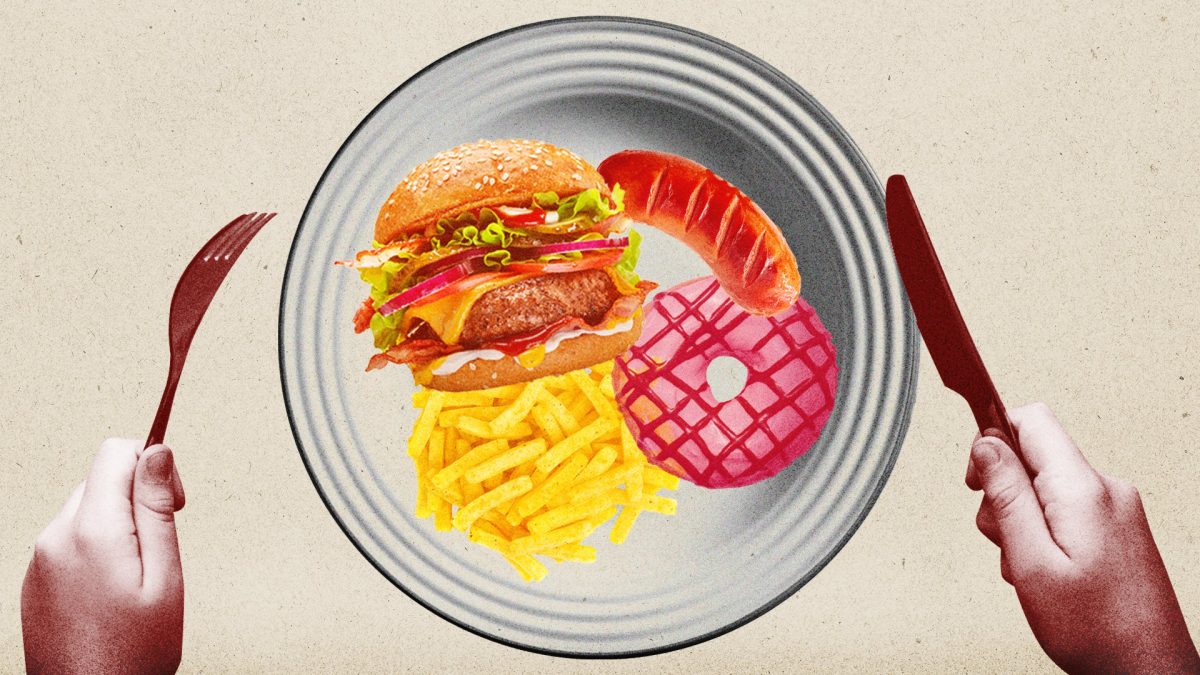
Ultra-processed foods (UPFs) have become a significant concern in modern diets, with recent studies highlighting their potential to increase the risk of serious health issues. One such study found that a high intake of UPFs is linked to a 41% increased risk of lung cancer compared to those with low intakes. These foods are defined as any that contain additives not typically found in home cooking and are made using industrial processes. Examples include processed red meats, sugary drinks, mass-produced bread, crisps, and sweets, which now make up over half of the average Brit’s diet, and even more for adolescents.
The question arises: when do these risks start to manifest? Does an occasional snack counteract a healthy diet, or does it take years of heavy UPF consumption to affect your health?
Rhiannon Lambert, a nutritionist and author of Unprocessed Plate, emphasizes the importance of taking a balanced view of UPFs. She outlines what happens to the body after consuming these foods over different timeframes.
After a Day – Irritability, Glucose Spikes, and Cravings
Eating UPFs for just one day is unlikely to cause long-term harm, especially if it's part of an otherwise balanced diet. However, even short-term consumption may lead to noticeable effects on how the body feels and functions. UPFs are often high in refined carbohydrates and added sugars while lacking fiber and essential micronutrients. This can result in rapid increases in blood glucose, followed by declines, leading to temporary fatigue, irritability, and heightened food cravings.
Additionally, UPFs are known for being high in fat. A study in the Journal of Nutrition found that a single high-fat meal could increase blood pressure more than a low-fat meal. The addictive nature of UPFs is another factor, as they are engineered to be highly palatable and easy to consume in large quantities. Their soft textures and low fiber content reduce chewing time and slow satiety signals, potentially leading to overeating and gastrointestinal discomfort.
A 2023 study published in the British Medical Journal suggested that UPFs, including chocolate bars, should be labeled and taxed as addictive substances due to their ability to trigger dopamine release similar to nicotine and alcohol. People can also become addicted to specific flavors and sweeteners added to UPFs.
If you typically eat a diet rich in vegetables and grains, occasionally indulging in a brownie shouldn’t be a major concern. However, repeated patterns can become more significant over time.
After One Month – Weight Gain and Worsening Gut Health
Chris van Tulleken, a presenter and infectious diseases doctor, studied himself eating only UPFs for 30 days, reporting feeling as though he’d aged 10 years in just a month. His symptoms included poor sleep, heartburn, anxiety, sluggishness, and a low libido, along with gaining nearly 7kg.
Another groundbreaking trial at the US National Institutes of Health involved 10 men and 10 women who were fed either a high UPF diet or an unprocessed diet for two weeks. Despite the same calorie count, those on the UPF diet consumed 500 more calories daily and gained 0.9kg on average. The researchers concluded that UPFs “lead people to overeat calories.”
UPFs may also impact the gut microbiome, which can change in as little as 24 hours. Several small studies suggest reduced microbial diversity and lower abundance of beneficial bacteria with these foods. Additives like emulsifiers and artificial sweeteners have been shown in preliminary studies to alter gut barrier function and microbiota composition, though more research is needed to confirm these effects in humans.
Beyond the gut, a UPF-heavy diet over several weeks may begin to influence mood, metabolic responses, and body composition.
Five Swaps to Reduce UPFs in Your Diet
To reduce UPF intake, consider the following swaps:
- Swap Warburton’s Protein Flatbreads for Crosta & Mollica Piandina Organic Wholeblend Italian Flatbreads
- Swap Tony’s Chocolony for Montezuma’s Dark Chocolate
- Heinz Tomato Soup for Daylesford Organic Slow Roast Tomato & Mascarpone Soup
- Swap Sun-Pat Smooth Peanut Butter for Biona Organic Peanut Butter
- Swap Hellman’s Real Mayonnaise for Hunter & Gather’s Classic Olive Oil Mayonnaise
After a Year – High Cholesterol, Blood Pressure, Poor Immunity, and Concentration
After a year of consistently high UPF intake, the body may begin to show more measurable and cumulative effects. Diets dominated by UPFs are strongly associated with an increased risk of insulin resistance, high blood pressure, and elevated LDL cholesterol, all of which are risk factors for cardiometabolic disease.
Over time, a lack of nutritionally-dense foods can contribute to micronutrient deficiencies, particularly in iron, magnesium, folate, and other B vitamins, which may lead to fatigue, reduced immunity, or impaired concentration.
Daily spikes in blood sugar and fats add up over the course of a year and could lead to prediabetes. Around a quarter of people with prediabetes develop type 2 diabetes within five years. A Spanish study found that those with the highest UPF intake had a 53% higher risk of new-onset type 2 diabetes within a year.
While most food additives are metabolized by the liver and excreted by the kidneys or digestive system, repeated exposure over time may still influence health. Some animal studies and early-stage human data suggest that certain additives may impair gut barrier integrity, contribute to low-grade intestinal inflammation, or alter the gut microbiota.
After Decades – Rise in Cancer Risk, Cognitive Decline
Long-term reliance on UPFs has been linked to increased cancer risk and cognitive decline. A 12-year study found that habitual consumption of UPFs was associated with a significantly higher risk of chronic disease. A 10-year study found that those with high UPF intake had an increased risk of cardiovascular disease and coronary heart disease. A literature review of over 63 million participants found that the risk of cardiovascular disease escalated with UPF intake.
Processed meats, a common UPF, have been linked to an increased risk of colorectal cancer. Other forms of UPFs, such as sugary beverages and ultra-processed snack foods, are being studied for potential links to breast, pancreatic, and liver cancers. Long-term intake of UPFs has also been linked to faster cognitive decline, with one Brazilian study showing a 25% acceleration in decline among high-UPF consumers.
How to Undo the Damage
If you’ve spent years eating convenient foods rather than cooking from scratch, don’t panic. The body has a remarkable capacity to adapt and repair. Making positive changes to your eating habits today can support long-term health and reduce the risk of future disease. Eating whole foods, with plenty of fruit, vegetables, nuts, and legumes, and cooking from scratch as much as possible is the simplest route to better health and gut health.
Increasing dietary diversity, particularly through plant-based foods, can support the gut microbiome. Preparing more meals at home using basic ingredients, even starting with just a couple of meals per week, is effective. Frozen and canned options can be convenient and affordable ways to include more whole foods. Physical activity, stress management, sleep, and hydration are all important in supporting recovery from previous poor eating habits.