
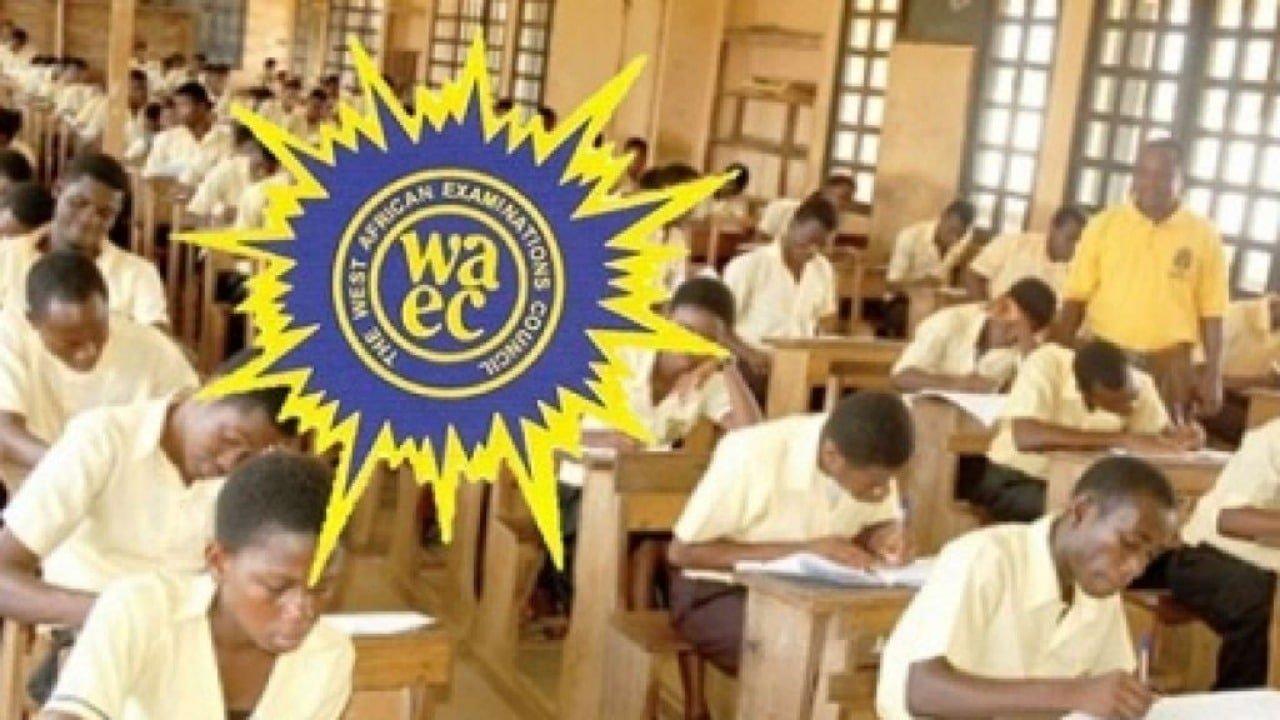
Public Outcry Over 2025 SSCE Results Sparks Debate on Education Standards
The release of the 2025 Senior Secondary School Certificate Examination (SSCE) results by the West African Examinations Council (WAEC) has triggered widespread frustration among parents, students, and educators in Nigeria. Many are questioning the quality of decisions made during the examination process, which led to poor performance across various subjects. The situation has raised serious concerns about the integrity of the results and the overall state of education in the country.
One of the most controversial aspects of the 2025 SSCE was the conditions under which some students sat for their exams. Reports indicate that several candidates wrote their papers in the middle of the night due to a lack of electricity, relying on flashlights or candles for illumination. This was particularly evident in the English Language paper, where some students were delayed until late evening or even nighttime. According to Comrade Akintoye Hassan, chairman of the Lagos State wing of the Nigeria Union of Teachers (NUT), this was an avoidable situation that could have been prevented with better planning.
Instead of canceling the affected paper, WAEC opted to allow students to write it at unusual hours, which disrupted their usual routine and mental preparation. This decision has been widely criticized as a major contributing factor to the initial poor results. The council later claimed that technical issues were responsible for the subpar performance, leading to a review of the results that increased the pass rate from 38.32% to 62.96%. However, many believe this adjustment was an afterthought aimed at improving the grades rather than addressing the root causes of the problem.
This raises important questions about the fairness and transparency of the evaluation process. Critics argue that such a move undermines the credibility of the examination body and sets a dangerous precedent for lowering educational standards. Students who had to write in darkness, without proper lighting or preparation, were clearly at a disadvantage. The question remains: what kind of performance was expected under these circumstances?
While WAEC bears some responsibility for the poor conditions, the blame cannot be placed solely on the council. There is also a need for greater parental involvement in students’ academic lives and more effective implementation of education policies. Many public schools lack basic infrastructure, including electricity and computers, which poses significant challenges for students. For instance, despite the Federal Government’s plan to transition all WAEC exams to computer-based testing (CBT) by 2026, many schools still do not have access to computers or stable internet connections.
This gap between policy and practice highlights a critical issue: the need for better resource allocation and infrastructure development in the education sector. Without proper support, students will continue to face unnecessary obstacles, and the quality of education will remain compromised.
Another point of contention is the use of English Language and Mathematics as key indicators of success in the SSCE. While these subjects are undeniably important, there is growing debate over whether they should be mandatory for all students regardless of their career aspirations. For example, should an art student preparing for a law degree be required to take the same mathematics exam as a science student aiming to become an engineer? The current system may not be tailored to meet the diverse needs of students, potentially disadvantaging those whose future careers do not require advanced mathematical or linguistic skills.
Ultimately, the 2025 SSCE results have exposed deep-seated problems within the Nigerian education system. From inadequate infrastructure to questionable administrative decisions, the challenges faced by students and educators are complex and multifaceted. Addressing these issues will require a coordinated effort from all stakeholders, including government agencies, school administrators, and parents.
The controversy surrounding the SSCE results serves as a wake-up call for the education sector. It is time to re-evaluate the metrics used to assess student performance and ensure that the system is fair, transparent, and supportive of all learners. Only then can meaningful progress be made toward improving the quality of education in Nigeria.