
The Impact of US Policy on Taiwan
The recent decision by the United States not to allow the leader of Taiwan to transit through the country has raised concerns in Taipei. However, there have also been positive developments that provide some reassurance.
President Donald Trump's return to the White House has caused anxiety for Taiwan. His handling of Ukrainian President Volodymyr Zelensky and his unpredictable behavior towards US allies have made it clear that the situation is delicate. Despite this, the second Trump administration had not significantly changed the cross-strait policies of previous administrations—until recently.
Two weeks ago, a major headline was that the Trump administration reportedly canceled Taiwanese leader Lai Ching-te's transit privileges through the United States en route to Paraguay, Guatemala, and Belize. Although the US does not officially recognize Taiwan, it is customary for Washington to permit Taiwanese leaders to briefly visit US soil and transfer to their next flight. Sometimes, they are even allowed to meet senior American officials and give speeches.
In this instance, Lai was scheduled to stop in New York and Dallas, but for unclear reasons, the Trump administration felt uneasy about his itinerary. The most probable reason is that Trump wanted to avoid the negative image of supporting Taiwan during sensitive trade negotiations with Beijing. However, the Trump team never provided an explanation.
Another issue for Taiwan emerged about two months ago, though it was only reported in late July. Wellington Koo, Taiwan's defense chief, was supposed to meet Elbridge Colby, the US undersecretary of defense for policy, in June. However, Washington reportedly canceled the meeting due to the timing, which coincided with US strikes on Iran. The talks have yet to take place, and the Taiwanese side remains concerned that Washington may be softening its stance on Beijing at Taipei's expense.
Trade issues have also added to the worries. The Trump administration announced that Taiwan's new reciprocal tariff rate would be 20 percent. Although this was lower than Trump's initial 32 percent rate, Lai expressed dissatisfaction, stating: "The 20 percent tariff rate was never Taiwan's target to begin with. We will continue negotiations and strive for a rate that's more favorable for Taiwan."
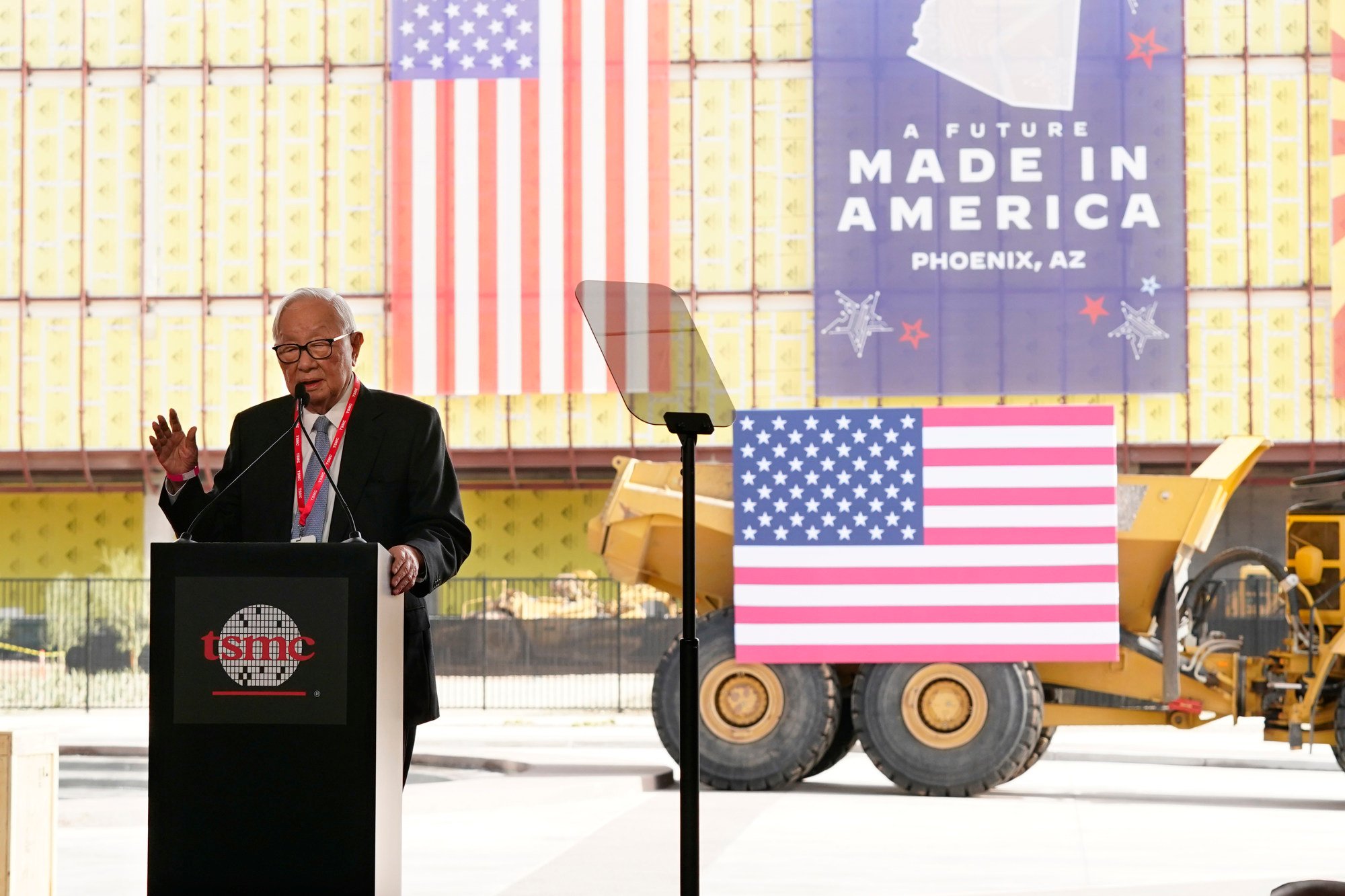
Taiwan Semiconductor Manufacturing Company had already pledged $100 billion to invest in the US to manufacture semiconductor chips, but the result was still unsatisfactory. Ongoing trade tensions have led many in Taiwan to question whether economic difficulties could eventually convince the US to abandon the island.
Despite these challenges, it is important for Taiwan to remain calm. Senior Trump administration officials have consistently emphasized their commitment to supporting Taiwan. For example, when asked in March whether the US would maintain the cross-strait status quo, Secretary of State Marco Rubio stated: "That's been the policy of President Trump, and that will continue to be his policy." At the Group of Seven foreign ministers' meeting that same month, Washington also agreed to remove the "one China" language from past G7 statements.
US Secretary of Defense Pete Hegseth also warned of the threat posed by the People's Liberation Army to Taiwan during the Shangri-La Dialogue in Singapore. While Trump himself has rarely spoken about Taiwan, his comments have generally aligned with maintaining strategic ambiguity, which is consistent with past administrations.
Actions speak louder than words, and the Trump administration has shown resolve in supporting Taiwan. In February and April, Washington authorized naval ship transits of the Taiwan Strait to bolster deterrence and reassurance. The administration has also sought to expedite arms sales to Taiwan, addressing a years-long backlog that has hindered Taipei's defensive efforts.
Despite significant cuts to US assistance worldwide, the Trump administration made an exception for Taiwan, allowing $870 million in security-related assistance to reach the island. Additionally, the administration updated its State Department fact sheet on Taiwan, removing the phrase "we do not support Taiwan independence," which angered Beijing.
When considering its position with the United States, Taiwan should balance both the negative and positive aspects. While the decision to cancel Lai's transits is a concerning sign of appeasement toward Beijing, Koo's defense dialogue may be rescheduled, and the tariff rate is within the range seen among US allies like Japan, Indonesia, the Philippines, South Korea, and Vietnam. Overall, neither Trump nor his administration has taken any dramatic steps that differ from past policies. This is worth acknowledging while remaining vigilant.