
New York City Introduces Stricter Regulations for Cooling Towers Amid Legionnaires’ Disease Outbreak
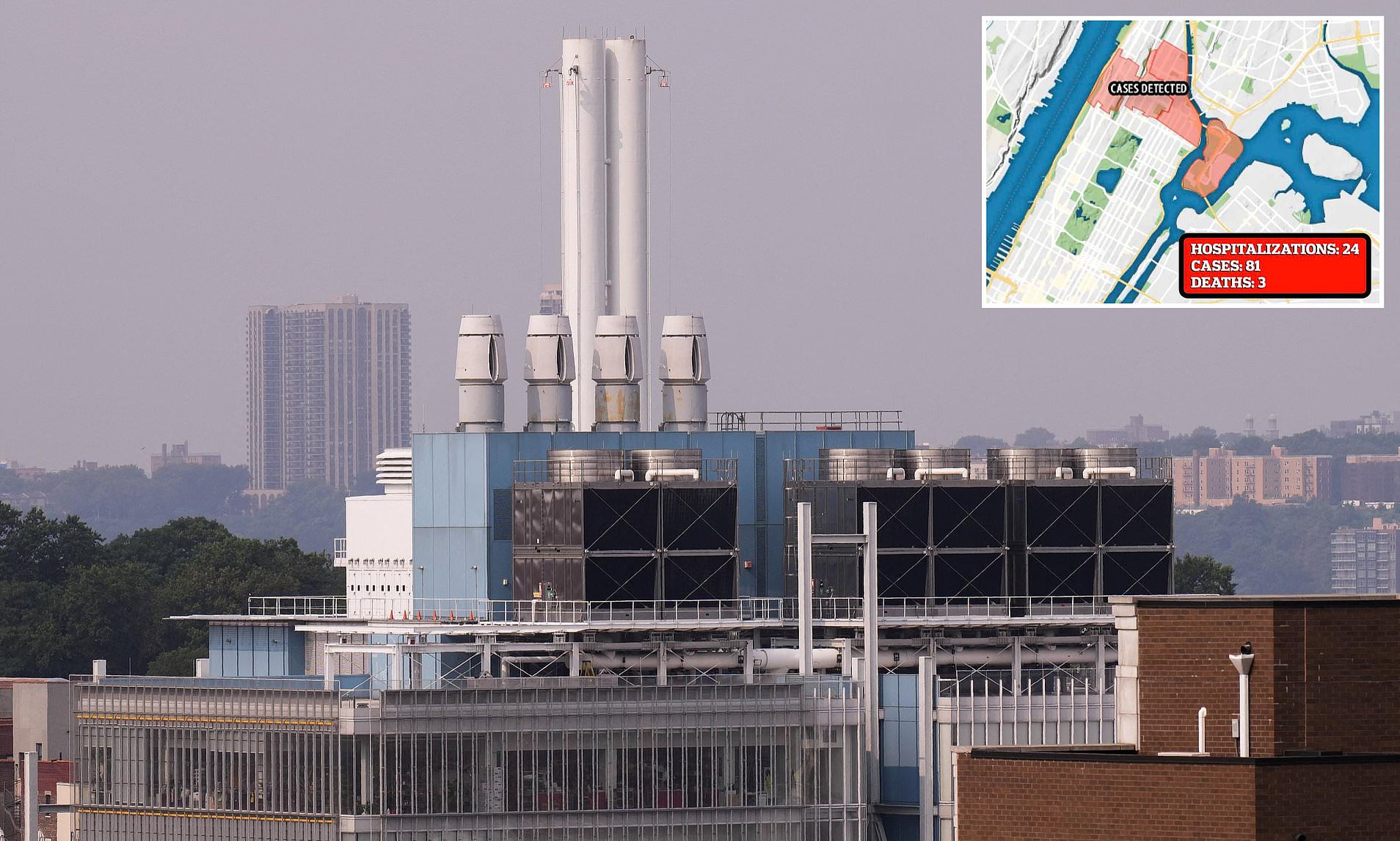
New York City is taking decisive action to address the growing concerns surrounding Legionnaires' disease, a severe form of pneumonia caused by the Legionella bacteria. As of August 8, 83 individuals from upper Manhattan have been infected, with three deaths reported and 21 patients currently hospitalized. All confirmed cases are concentrated in five ZIP codes covering areas such as Harlem, East Harlem, and Morningside Heights.
Legionnaires’ disease is transmitted when people inhale mist or vapor contaminated with the Legionella bacteria, which thrives in warm water environments. The source of the current outbreak has not yet been definitively identified, but health officials suspect that a cooling tower in the area is likely responsible.
The Role of Cooling Towers in Disease Transmission
Cooling towers are commonly used in large buildings to regulate temperature and are known to harbor Legionella if not properly maintained. These systems require regular testing and maintenance to prevent bacterial growth. However, during the pandemic, inspections were significantly reduced due to staffing shortages, leading to a near-record low in oversight before the outbreak occurred.
In response to the situation, the city’s Health Department is planning to introduce stricter regulations, including enhanced penalties and more rigorous reporting requirements for building water systems. While the exact details are still being finalized, officials emphasize that these measures are intended to improve existing protocols and ensure better prevention of future outbreaks.
Enhanced Safety Measures and Compliance
All operable cooling towers in the affected areas have already been sampled, and those with initial positive results have been directed to implement remediation steps, including increased cleaning and maintenance. The Health Department has confirmed compliance at all such buildings. The new regulations are expected to come into effect next spring.
Under current rules, owners of buildings with cooling towers must register their systems and conduct routine water testing. Additionally, the water in these systems must be treated at least once daily while in operation. This treatment involves approved oxidizing chemicals and biocides to control Legionella, minimize biofilms, and prevent scaling and corrosion.
Violations related to Legionella prevention can result in fines ranging from $500 to $10,000, with higher penalties for incidents that lead to serious injury or death.
Public Health Advisories and Risk Factors
Health officials have reassured residents in the affected ZIP codes that it is safe to continue using tap water for drinking, bathing, and cooking. They also clarified that the issue is not related to building plumbing systems. However, they emphasized the importance of maintaining proper hygiene and regularly inspecting cooling towers.
The symptoms of Legionnaires’ disease typically begin with headaches, muscle aches, and high fevers. Within a few days, more severe symptoms such as coughing, shortness of breath, chest pain, nausea, vomiting, and confusion may develop. In severe cases, the infection can lead to pneumonia, sepsis, and even death.
Individuals aged 50 or older, smokers, and those with chronic lung diseases or weakened immune systems are at higher risk. Early medical intervention with antibiotics is crucial for effective treatment, as delays can lead to life-threatening complications.
Historical Context and Lessons Learned
This outbreak is not the first of its kind in New York City. In 2015, a major Legionnaires’ disease outbreak in the Bronx resulted in 155 infections and 17 deaths. That incident was traced back to a contaminated cooling tower at the Opera House Hotel in the South Bronx. Since then, the city has implemented stricter regulations, but recent lapses in enforcement have led to renewed concerns.
Dr. Asim Cheema, an internal medicine and cardiology specialist, highlighted that August is peak season for Legionnaires’ disease due to hot weather and increased use of air conditioning systems. He advised individuals to flush out home water systems after long absences and to use distilled water in humidifiers and medical devices to reduce the risk of exposure.
Preventive Measures and Public Awareness
Public awareness campaigns have been launched to educate residents about the risks associated with Legionella and the importance of maintaining clean water systems. Health officials encourage anyone experiencing symptoms to seek immediate medical attention.
For those who are not severely affected, a milder condition called Pontiac fever may occur, causing flu-like symptoms that resolve on their own without treatment. However, it is essential to remain vigilant, especially during warmer months when the risk of bacterial growth increases.
As the city moves forward with its new regulations, the focus remains on preventing future outbreaks and ensuring the safety of its residents. By combining improved oversight, public education, and proactive maintenance, New York City aims to mitigate the threat of Legionnaires’ disease and protect public health.