
A New Approach to Water Conservation: Deleting Emails and More
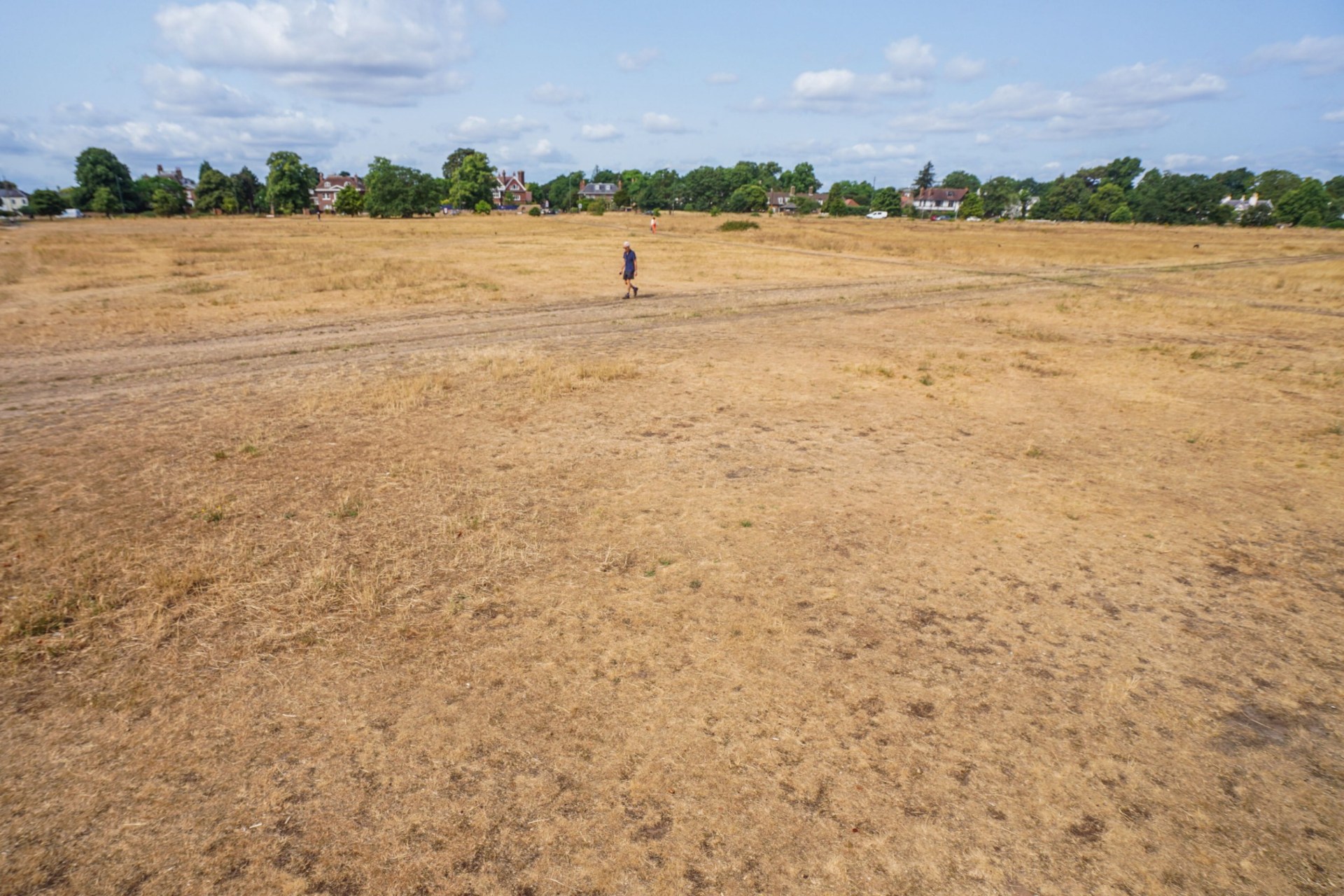
As the UK faces its fourth heatwave of the year, with temperatures expected to rise above 30°C, the nation is grappling with a growing water crisis. Five areas are officially in drought, and hosepipe bans have been implemented across England. The situation has reached a point where it's considered a nationally significant incident, prompting officials to ask people to take small but meaningful steps to conserve water.
One unexpected suggestion from environmental officials is to delete old emails. Helen Wakeham, director of water at the Environment Agency, emphasized that even simple actions like turning off taps or deleting emails can contribute to reducing water demand and preserving the health of rivers and wildlife.
How Deleting Emails Can Help Save Water
The average person receives over 120 emails daily, many of which remain unused and stored in the cloud. These emails are stored on data centers—massive buildings filled with hard drives that consume vast amounts of energy. To keep these servers cool, they require significant amounts of water, with some larger centers using up to 5 million gallons per day. This is equivalent to the water usage of a town with 10,000 residents.
With climate change causing more frequent and severe droughts, officials are concerned about where this water will come from. July was the fifth-warmest month on record, and reservoirs across England are currently only 67.7% full on average, far below the typical August level of 80.5%. Some river basins, such as the Derwent Valley group in Derbyshire, are less than half full, leaving many rivers cracked and dry, endangering local wildlife.
To combat this, several water companies, including Yorkshire Water, Thames Water, South East Water, and Southern Water, have introduced hosepipe bans to limit customer water use.
The Role of Public Compliance
Dr. Jess Neumann, associate professor of hydrology at the University of Reading, explained that the success of hosepipe bans depends on public compliance. If people follow the guidelines, these bans can reduce water consumption by 3-8%, raising awareness about the importance of mindful water use.
While email deletion may seem trivial, it reduces the amount of data that needs to be stored, which in turn generates less heat and requires less cooling. This small action contributes to a larger effort to preserve water resources.
Additional Ways to Conserve Water
Not everyone is convinced that deleting emails will significantly save water, given that the process itself involves some energy use. However, experts suggest there are numerous other ways to help conserve water.
In the bathroom: - Turn off the tap while brushing teeth. - Fix leaky taps, as even a single drip per second can add up to over 12,000 liters a year. - Take shorter showers, ideally between one to three minutes. - Install low-flow showerheads that use six liters per minute compared to standard ones that use 10-15 liters.
Toilets account for a quarter of household water use, so checking for leaks is essential.
In the kitchen: - Use a washing-up bowl to cut water use by half. - Fill washing machines to their recommended capacity.
In the garden: - Install a water butt to collect rainwater for watering plants. - Allow grass to go brown; it is resilient and will recover. - Water plants at the roots rather than on the leaves to ensure efficient water use. - Place trays under potted plants to catch excess water and create a reservoir.
Extra Tips from Survivalists
Dan Goss, a survivalist and founder of Start Prepping UK, offered additional tips: - Choose canned foods that contain water, like chopped tomatoes, which can reduce the need for added water during cooking. - Use mulch to cover soil, which helps retain moisture and nourish plants.
Alison Dilworth, a campaigner for Friends of the Earth, stressed that water suppliers also have a responsibility to reduce waste. Between 2020 and 2023, over 3 billion liters of water were wasted daily in England and Wales due to leaky pipes. This equates to 1,200 Olympic-sized swimming pools of water lost each day.
According to official figures, 19% of treated water is lost to leaks before it even reaches homes. Leaks occur due to worn-out pipes expanding and contracting, often exacerbated by cold weather, tree roots, or construction work.
With climate change making droughts more frequent and severe, the government and water companies must take more proactive steps to prevent shortages and protect natural ecosystems. Reducing water wastage through improved infrastructure and public awareness is crucial for the future of water conservation.