
The High Stakes of the Upcoming Summit
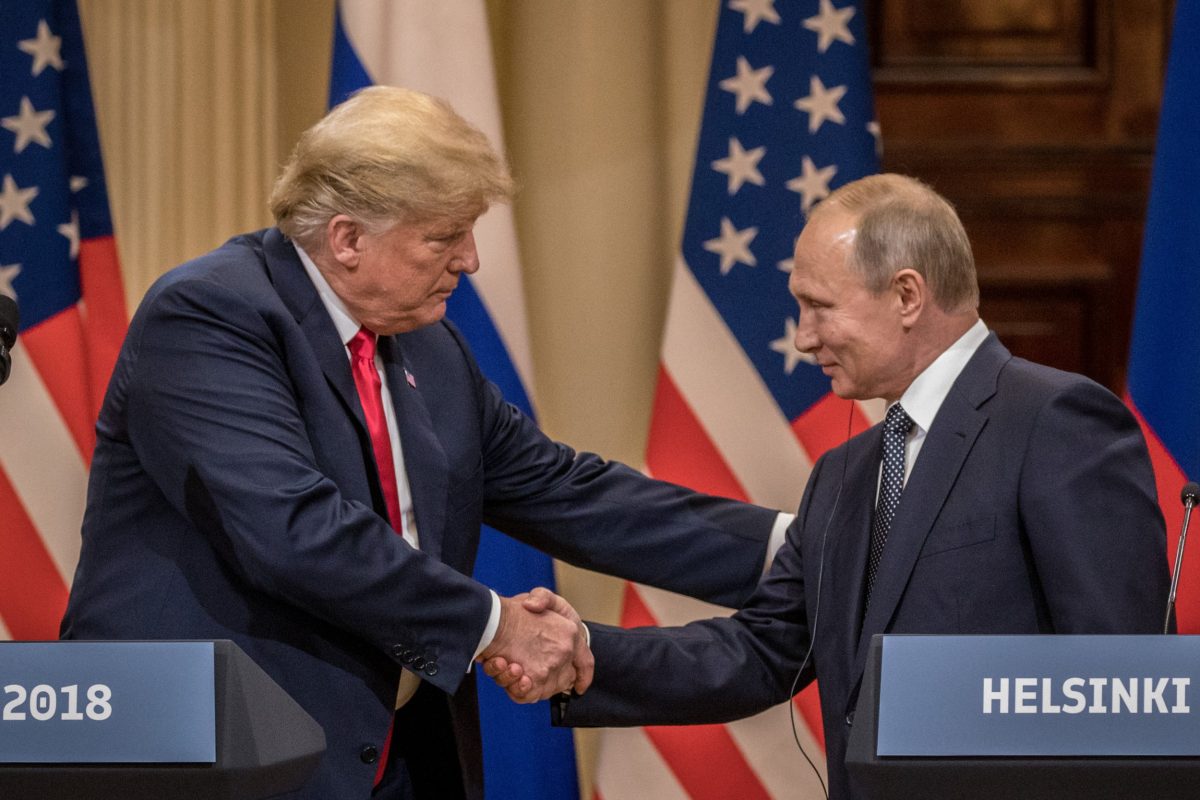
Friday marks a critical day for Ukraine as it stands on the brink of a potential turning point in its ongoing conflict. The meeting between former US President Donald Trump and Russian President Vladimir Putin in Alaska could either lead to a decisive outline for a settlement, including a full or partial ceasefire, or prolong the war for months or even years. The outcome of this summit will have far-reaching implications not only for Ukraine but also for global geopolitics.
Trump recently announced his proposal to "trade real estate" during the Alaska meeting. He suggested that he would attempt to retrieve some of Ukraine’s land, particularly valuable "oceanfront property." However, Trump criticized Ukrainian President Volodomyr Zelensky, expressing strong disapproval of his handling of the war. He questioned why Zelensky needed constitutional approval for a land swap when he had already secured approval to go into war. Trump indicated that he might call Zelensky after the meeting if Putin proposed a "fair deal," with the possibility of either saying, “Lots of luck, keep fighting,” or offering a deal.
Zelensky is expected to join a call with Trump and other European leaders tomorrow, providing him one last opportunity before the summit to present his case. The challenge for Ukraine and its leader now is determining what price in terms of territory, status, and future they are willing to pay for an end to the violence that has plagued the country for over three and a half years.
Diverging Interests and Goals
The interests of Russia, Ukraine, Europe, and the United States vary significantly. Zelensky has reaffirmed that he will not relinquish any Ukrainian territory under the threat of force. He demands strong security guarantees for Ukraine, akin to NATO membership. However, he has already accepted that Russia may not withdraw from all the territories it holds, though he refuses to formally recognize this. The prospect of accelerated NATO membership remains unrealistic.
For Putin, the meeting presents an opportunity to advance his original war aims since February 2022. These include international recognition of the annexation of five Ukrainian provinces, along with global status and Russia's standing against NATO. As part of this campaign, Ukraine must be neutralized and weakened in terms of its military and political power.
European states aim to ensure that Moscow learns that aggression on the continent does not pay. They are committed to the principle that territorial acquisition by force cannot be condoned. Meanwhile, Trump appears more focused on ending what he sees as a senseless and endless slaughter, driven less by global order concerns and more by a desire to rebuild a mutually beneficial economic relationship with Russia, ideally at China's expense.
Recognizing Territorial Changes
The Kremlin insists on "international recognition of the incorporation" of Crimea and the provinces of Luhansk and Donetsk, which have been contested since 2014, as well as Zaporizhzhia and Kherson. Ukraine has hinted at accepting these territories as de facto under Russian control, provided a ceasefire is agreed upon. This effectively means they will remain under Russian control permanently. However, Ukraine’s constitution and public sentiment prevent formal acceptance of their purported annexation by the Kremlin.
In April, the US offered symbolic recognition of Crimea’s annexation, a move that could set a precedent. While the historical context of Crimea's transfer from Russia to Ukraine in 1954 makes it unique, the US's gesture may serve as a concession to Putin's demand for recognition of all five provinces.
NATO and Security Guarantees
Trump has confirmed that Ukraine will not become a NATO member. The US proposal notes that "Ukraine will not seek to join NATO." Russia demands full neutrality for Ukraine, including a ban on military activity and presence of third states on its territory, alongside limitations on Ukraine’s military forces and weaponry.
Zelensky has sought a US security guarantee similar to Article 5 of the NATO treaty. However, the US is unlikely to offer such a guarantee. A coalition led by the UK and France has considered deploying a deterrent force in Ukraine, backed by the US. Yet, Russia would not accept this, given its campaign to push NATO away from its borders.
The Path Forward
Security for Ukraine may come through EU integration, offering a form of collective security. The US principles for a settlement preserve the prospect of EU membership for Ukraine. Experts like Marc Weller emphasize the importance of ensuring Ukraine can defend itself against future threats, highlighting the need for continued support and cooperation.