
Understanding Ultra-Processed Foods and Their Impact
Ultra-processed foods (UPF) have become a significant part of the modern diet, especially in countries like the United States. These foods are typically manufactured through multiple industrial processes that involve the addition of various additives, preservatives, and artificial ingredients. Examples include processed meats, canned soups, frozen meals, and even some breads and salads. While these items offer convenience and affordability, their long-term health implications are increasingly concerning.
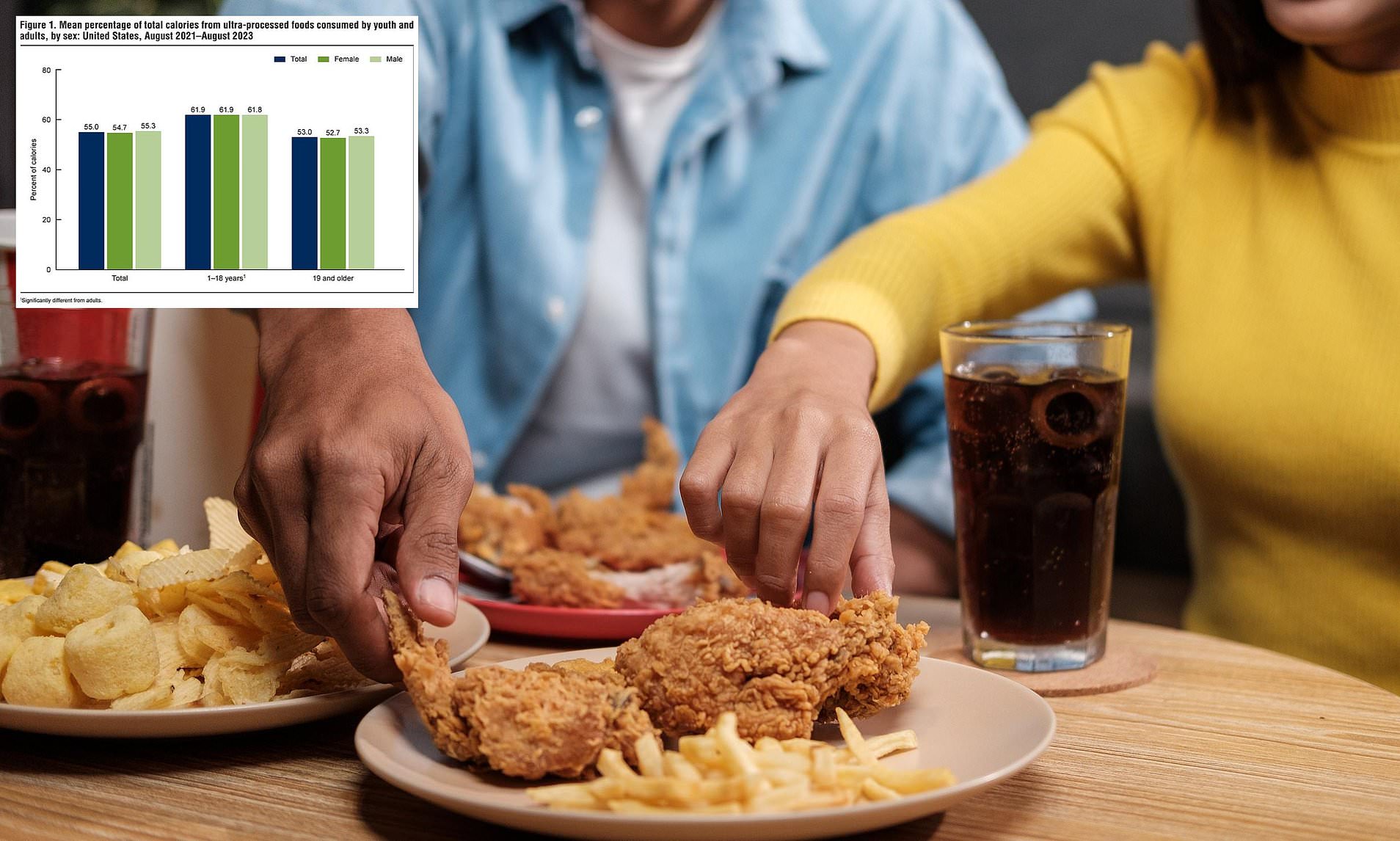
According to a recent report by the Centers for Disease Control and Prevention (CDC), Americans consume more than 50% of their daily calories from ultra-processed foods. For children and teenagers, this figure rises to about two-thirds. The prevalence of UPFs in the American diet is alarming, as they have been linked to a range of serious health issues, including obesity, heart disease, colorectal and breast cancers, diabetes, and depression.
Research published in April revealed that for every 10% increase in the consumption of ultra-processed foods, the risk of early death from any cause increases by 3%. Furthermore, one in seven premature deaths in the U.S. could be directly attributed to UPFs such as processed meats, candy, ice cream, and even certain healthy-looking salads and breads.
Not All Ultra-Processed Foods Are the Same
It's important to recognize that not all ultra-processed foods are harmful. Some, like frozen vegetables, canned tomatoes, whole-grain bread, and Greek yogurt, can be healthy alternatives. These foods undergo processing methods such as freezing and canning, which help preserve nutrients without introducing harmful additives.
The appeal of UPFs lies in their accessibility and affordability. They are often cheaper than fresh produce or organic options, making them a practical choice for many families. However, experts argue that it's possible to maintain quality and nutrition while enjoying the convenience of UPFs. Canned low-sodium beans, frozen vegetables, and breads with short ingredient lists can serve as healthier substitutes for less nutritious pantry staples.
The Challenge of Avoiding Ultra-Processed Foods
In the average American grocery store, UPFs make up about 70% of the inventory. This makes it challenging for consumers to avoid them entirely. The American Heart Association recently highlighted that most foods containing industrial additives are also high in unhealthy fats, added sugars, and salt. While additives play a role, the main issue is the excessive consumption of nutritionally poor UPFs.
The term "ultra-processed foods" refers to items that have been heavily modified with preservatives, artificial colors, fillers, emulsifiers, sweeteners, and flavorings. However, not all UPFs are harmful. Certain products, such as whole grain breads, low-sugar yogurts, tomato sauces, and nut or bean-based spreads, are considered better choices. These items are associated with improved health outcomes and are affordable, making them viable additions to a balanced diet.
Healthy Swaps and Nutritional Benefits
Despite being ultra-processed, some of the best swaps for what many consider "junk food" contain fewer additives, less added sugar, and lower sodium. Frozen vegetables and berries, canned tomatoes, whole grain bread, and unsweetened Greek yogurt are examples of processed foods that can be beneficial. These items undergo processes such as flash-freezing, canning, mechanical straining, and enrichment with vitamins, which can enhance their nutritional value.
However, many UPFs on store shelves still contain high levels of saturated fat, sodium, and sugar. Examples of "red flag" foods include cured and processed meats, canned fruits in syrup, frozen meals, candies, some breads, potato chips, and ice cream. Identifying high-risk UPF subgroups is essential for balancing nutritional goals with the need for accessible and appealing food options.
Recommendations for a Healthier Diet
Nutritionists recommend swapping out red flag foods with UPFs that include beneficial ingredients like whole grains, beans, yogurt, or nuts, as well as fortified cereals, whole-grain breads, or plain yogurts. These alternatives have been linked to better heart health compared to UPFs loaded with synthetic additives.
Whole grain breads are rich in fiber, which can reduce the risk of colorectal cancer. Beans and nuts provide protein-packed snacks, while unsweetened yogurt helps balance the body’s gut microbiome and improves gastrointestinal health.
Grace Derocha, a registered dietitian nutritionist and spokesperson for the Academy of Nutrition and Dietetics, emphasizes that the science recognizes the complexity of UPFs. She suggests differentiating between "unhealthy UPFs" and more wholesome packaged items.
Global Efforts and Future Considerations
Over a dozen countries have officially advised against allowing UPFs to dominate one’s diet. Some, like cities in Brazil, have eliminated UPFs from school meals, while others, such as Colombia, tax them. The EU, UK, Canada, and several Asian countries have banned certain ingredients that were recently prohibited in California.
In the U.S., there is no formal definition of UPFs for regulatory purposes. Experts at the American Heart Association warn that an overly broad definition could lead to confusion, as most foods in grocery stores might be labeled as highly-processed, causing customers to ignore warnings.
Food policy reform must consider broader goals, including nutrition security, safety, and sustainability. While transforming the food system is complex, it is achievable.