
The Rise of Alpha-Gal Syndrome on Martha's Vineyard
Martha’s Vineyard, a picturesque island off the coast of Massachusetts, has become an unexpected epicenter for a growing health crisis. This summer, the island has been forced to adapt its culinary landscape due to a surge in tick-borne illnesses, particularly alpha-gal syndrome. Known for its stunning beaches and high-end dining, the island is now witnessing a dramatic shift as restaurants are removing meat and dairy from their menus.
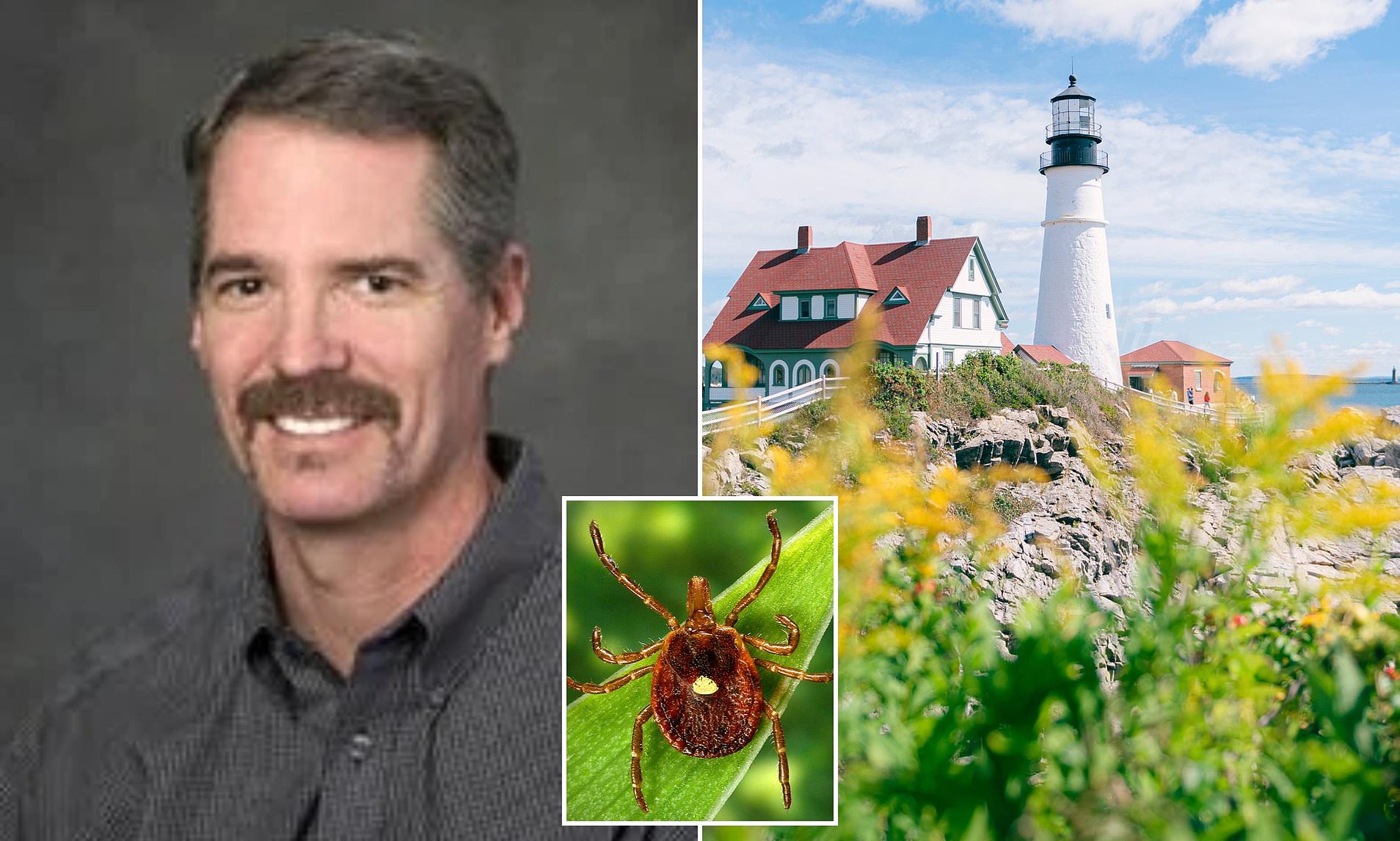
The lone star tick, or Amblyomma americanum, is a key player in this situation. This aggressive tick, identifiable by the white spot on its back, is found across the Northeast, South, and Midwest. A single bite from this tick can trigger alpha-gal syndrome, a condition that makes individuals allergic to red meat, dairy, and other mammalian products. The immune system reacts to alpha-gal molecules, leading to potentially life-threatening symptoms such as hives, nausea, and difficulty breathing.
Experts have noted a significant increase in cases of alpha-gal syndrome. Data from Martha’s Vineyard Hospital reveals that 42% of tests conducted last year were positive for the condition, compared to just 22% five years ago. Dr. Ed Caldwell, an allergist on the island, highlights the alarming rise, stating that he sees three to four patients daily with the condition, a stark contrast to the one per week he saw a few years ago.
Alpha-gal syndrome is caused by the presence of alpha-gal, a molecule found in most mammals except humans, which is transferred into the bloodstream through the saliva of the lone star tick. This reaction can occur after consuming any mammalian product, making it difficult for those affected to enjoy traditional meals.
Dr. Maria Knobel, co-founder of Medical Cert UK, explains that even small amounts of mammalian elements can trigger a response hours after consumption. Symptoms include rashes, gastrointestinal issues, and severe allergic reactions. Dr. Gerry Yukevich notes that the timing of these reactions—often between three to six hours after eating—makes it challenging for individuals to connect their symptoms to the food they consumed.
The Centers for Disease Control and Prevention (CDC) estimates that around 450,000 Americans may be affected by alpha-gal syndrome, though the exact number remains unclear. Martha’s Vineyard, already known for its high incidence of Lyme disease, now faces an additional threat from the lone star tick, which thrives in areas like beaches and mowed lawns.
Carla Cooper, an ecologist on the island, experienced the severity of alpha-gal syndrome when she had a severe reaction after eating a hamburger and ice cream. She described the experience as debilitating, with shortness of breath persisting for weeks. Similarly, Jannette Vanderhoop developed the condition after eating a hamburger, though she still consumes dairy.
Restaurants on Martha’s Vineyard are adapting to these changes, with many implementing new dietary restrictions. Johnny Graham, founder of Revel Catering & Events, notes a significant increase in requests for alpha-gal-friendly menus. His company is updating its entire menu database to include these restrictions alongside others like gluten-free and vegan options.
The challenges extend beyond dining. Grocery shopping becomes a minefield for those with alpha-gal syndrome, as food manufacturers may alter recipes without notice. Dr. Knobel emphasizes the importance of restaurants maintaining detailed ingredient lists and reviewing them monthly to avoid contamination.
Public education is also critical. Dr. Yukevich stresses the need for awareness about the prevalence of alpha-gal syndrome and the importance of taking precautions against tick bites. Immediate medical attention is advised if individuals notice sensitivity to meat or dairy products.
As Martha’s Vineyard continues to navigate this health crisis, the community is learning to adapt, ensuring that everyone can enjoy the island’s beauty without compromising their health.