
The Impact of Tariffs on the Swiss Watch Market in New York
In the United States, the current tariff issues involving Switzerland are largely overshadowed by broader economic developments. However, one group of Americans is closely monitoring the ongoing dispute between Washington and Bern: the watch dealers located on 47th Street in Manhattan.
Waiting for the Price Shock
Gabriel Allen, founder and CEO of Watches Off 5th, a luxury watch retailer, describes the tariffs as a significant challenge for his business. Initially, the 10% tariff imposed by the previous administration was manageable, with customers and dealers sharing the additional cost. However, the recent increase to 39% has created a more pressing concern. "Even if it's divided up, 39% is too much," he says.
Allen operates primarily in the secondary market, sourcing watches from previous owners rather than directly from Swiss manufacturers. Despite this, the prices in the secondary market closely mirror those in the primary market. Factors such as the strong Swiss franc, high gold prices, and now the tariffs have had an immediate impact on the prices Allen negotiates.
The high customs duties on Swiss exports have caused a shockwave in the luxury watch market. "Prices are going to go up now, but by how much?" Allen asks. No one knows whether the tariffs will remain at 39% or be reduced again. Many of his dealer friends are choosing to close their shops and take a break, fearing they might undersell.
Partners and Competitors
The Diamond District in Manhattan has been particularly affected by the uncertainty. While online sales of Swiss luxury watches are growing in the U.S., physical stores still play a crucial role in the secondary market. Allen focuses mainly on his online shop and maintains a strong presence on YouTube, Instagram, and the Chrono24 platform. However, he keeps his office on 47th Street, valuing the physical proximity to other businesses.
"When I don't have any customers, I go see what my competitors have," Allen explains. Keeping a large inventory in the showroom is costly, and if a customer is looking for a specific watch, dealers often find it at a neighbor's store. This creates a unique dynamic where watch retailers are both competitors and partners.
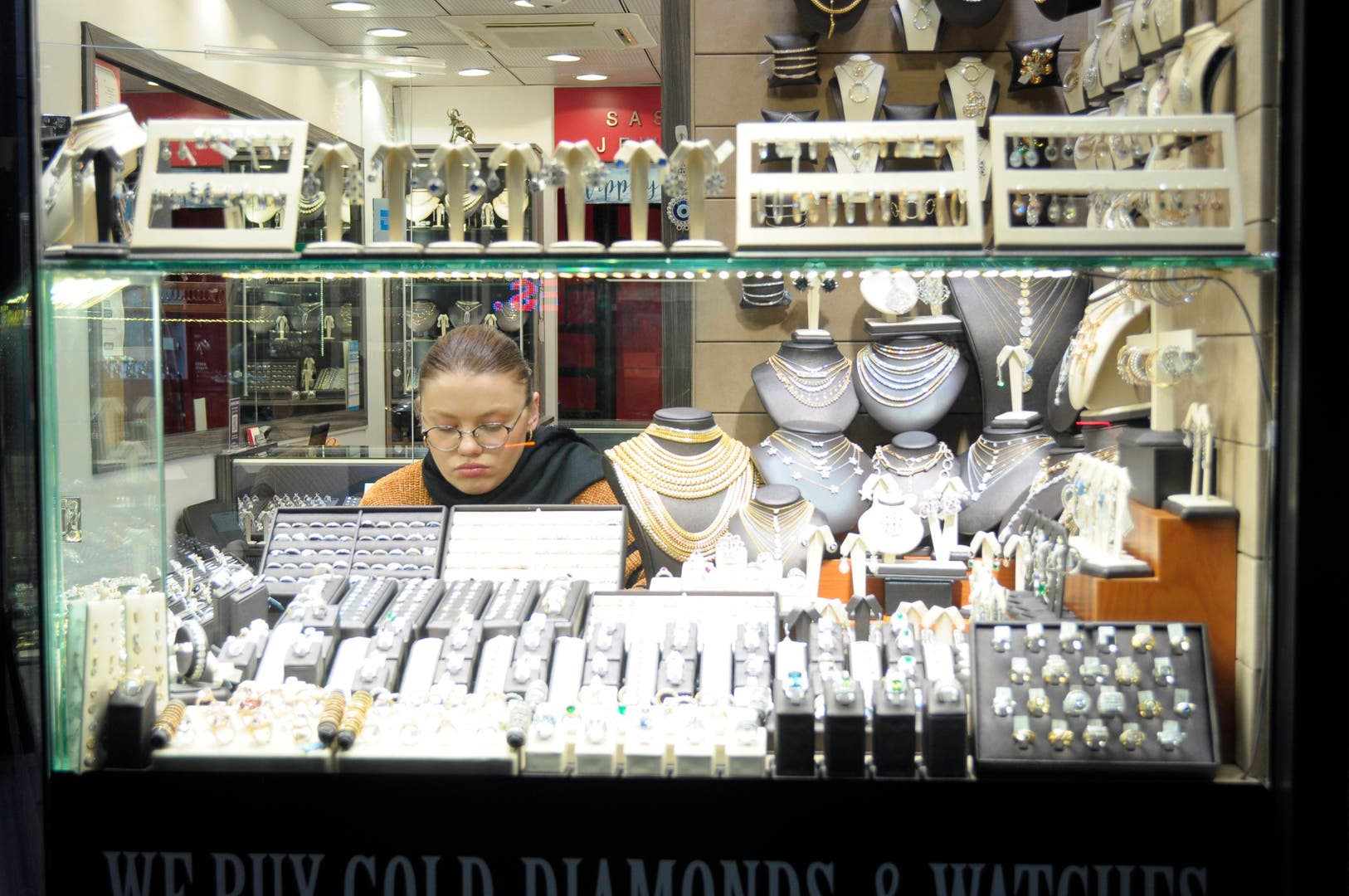
These networks have existed for decades. Since the 1920s, gemstones have been traded in the Diamond District, followed by jewelry and watches. Many of the shops are Jewish-owned, and the area remains a hub for watch and jewelry trade. Unlike the high-end shopping districts on Fifth Avenue, bargaining is still common here, with shopkeepers actively seeking customers.
A Close-Knit Network
Gabriel Allen, whose family emigrated from Tashkent in Uzbekistan to the U.S. before the Soviet Union collapsed, has extensive experience on 47th Street. He started working in the diamond business at 19, later transitioning to the watch trade. He founded his own business in 2019, dealing in major brands like Rolex, Richard Mille, Audemars Piguet, and Patek Philippe. Allen prefers sports watches due to their stable and liquid market.
The dealers in the area form a close-knit network, but building trust takes time. "In this industry, it's all about your word," Allen says. He can send a watch to a friend in Arizona or Colorado and be confident he'll get the money within 30 days.
Watches Off 5th does not offer the same shopping experience found in Paris’s Place Vendôme or Zurich’s Bahnhofstrasse. The elevator to the 10th floor is slow, and the heavily secured double doors are not particularly inviting. However, the mezuzah on the door adds a personal touch, reflecting the Jewish heritage of many local businesses.
Hardly Any Foreign Competition
Other Swiss export industries worry they may lose customers to foreign competitors due to the tariffs. However, aside from a few German brands, Swiss luxury watches face little such competition. On 47th Street, Swiss products dominate, with brands like TAG Heuer, Hublot, Breitling, and, most notably, Patek Philippe and Rolex, prominently displayed.
Allen notes that Swiss watches are unlikely to lose market share over the long term due to their significance and tradition. He points out that foreign manufacturers lack the breadth of product offerings, especially in entry-level models. "Lange is a huge brand, but there isn't enough inventory available," he says, explaining why such brands are less visible on the street.
Demand Remains Strong
Despite concerns about high prices, demand for luxury watches in America remains robust. Allen observes that buyers here tend to be younger than those in Europe and Asia, coming from various industries, including law, banking, and cryptocurrency. "We currently have a lot of crypto clients," he says.
The secondary market for watches has always been closely tied to the health of financial markets, with dealers immediately affected by currency fluctuations. When the Canadian dollar weakens, more Canadian customers fly to New York to sell their watches for American dollars.
Navigating Uncertainty
Allen believes the tariffs will eventually be reduced, citing Trump’s business acumen. "He knows how to get people to the table," he says. "They might brush off 5%, but when you raise it to 40% or 50%, they come running."
Ultimately, an experienced dealer can make a difference when the market starts moving. Allen recalls a surge in sales during the spring when the first 10% tariffs were introduced. "In this business, we often refer to the bubble," he says. "Everyone wants to get in when the market is low, before the bubble forms." Based on his experience, he believes the market is currently in that phase.