
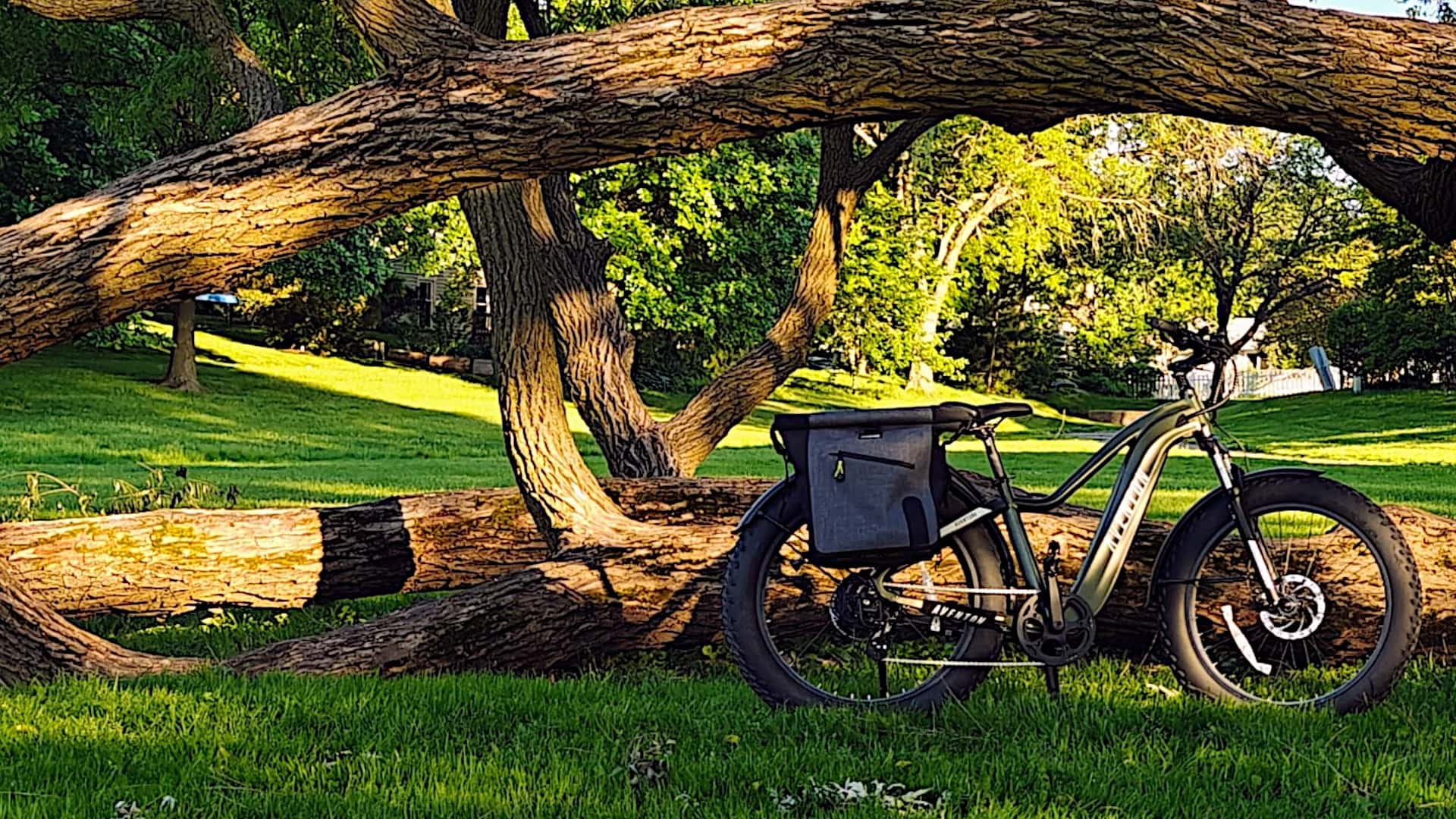
The Misunderstood E-Bike: A Call for Reason Over Rhetoric
E-bikes are often painted as the villains of modern transportation, but it's time to shift the narrative and approach them with a more balanced perspective. Instead of focusing on blaming young riders or their parents, we should be looking at how e-bikes can provide real solutions to everyday mobility challenges.
Recent local news stories have highlighted growing concerns about the dangers of e-bikes, often leading to calls for stricter regulations. Some communities have even enacted new laws to limit e-bike use on sidewalks, streets, and park paths. These discussions frequently involve local mayors and elected officials, who sometimes express strong opinions about the need for control. However, these debates often lack the nuance required to address the real issues at hand.
Age Limitations and Licensing: A Questionable Approach
One common argument against e-bikes is the idea that they should be subject to age restrictions similar to those for driving cars. A recent example involved a mayor near Chicago suggesting that e-bike users should be 16 years old, just like drivers. This argument overlooks the fact that traditional bicycles can also reach speeds of up to 20 mph under certain conditions.
The key issue here isn't the speed itself, but rather the responsibility and education needed to ensure safe operation. Banning e-bikes based on age or speed doesn’t address the root problems; instead, it creates unnecessary barriers for people who rely on them for daily transportation.
The Cost Factor: E-Bikes as a Viable Alternative
In an era where car prices continue to rise, e-bikes offer a cost-effective alternative for many individuals. They are not only cheaper to purchase but also significantly less expensive to maintain and operate compared to traditional vehicles. For students, workers, and delivery riders, e-bikes can be a practical solution to getting around without breaking the bank.
This affordability factor is especially important in communities where public transportation options are limited. E-bikes allow people to travel independently and efficiently, making them a valuable tool for daily life.
The Fuel Tax Dilemma
A critical difference between e-bikes and other vehicles lies in the fuel tax. Many municipalities rely on fuel taxes to fund essential services such as road maintenance and emergency response. Since e-bikes don’t require gasoline, they aren’t subject to these taxes. If a significant number of residents switch to e-bikes, it could impact local revenue streams. However, this shouldn't be a reason to ban or restrict e-bike use. Instead, it presents an opportunity for cities to rethink their funding models and invest in sustainable infrastructure.
Balancing Safety and Innovation
Safety concerns are valid, but they should not overshadow the benefits that e-bikes bring. Rather than imposing blanket restrictions, communities should focus on promoting education and responsible use. Encouraging safe riding practices and providing training programs can help reduce accidents without limiting access to this form of transportation.
The Need for Nuanced Regulation
It’s clear that e-bikes have the potential to revolutionize urban mobility, offering a green, affordable, and efficient alternative to traditional vehicles. However, the current approach to regulation often lacks the thoughtfulness and nuance necessary to fully realize this potential.
Instead of reacting with fear or frustration, we should be open to exploring how e-bikes can fit into our transportation systems. By doing so, we can create a safer, more inclusive, and more sustainable future for all.