
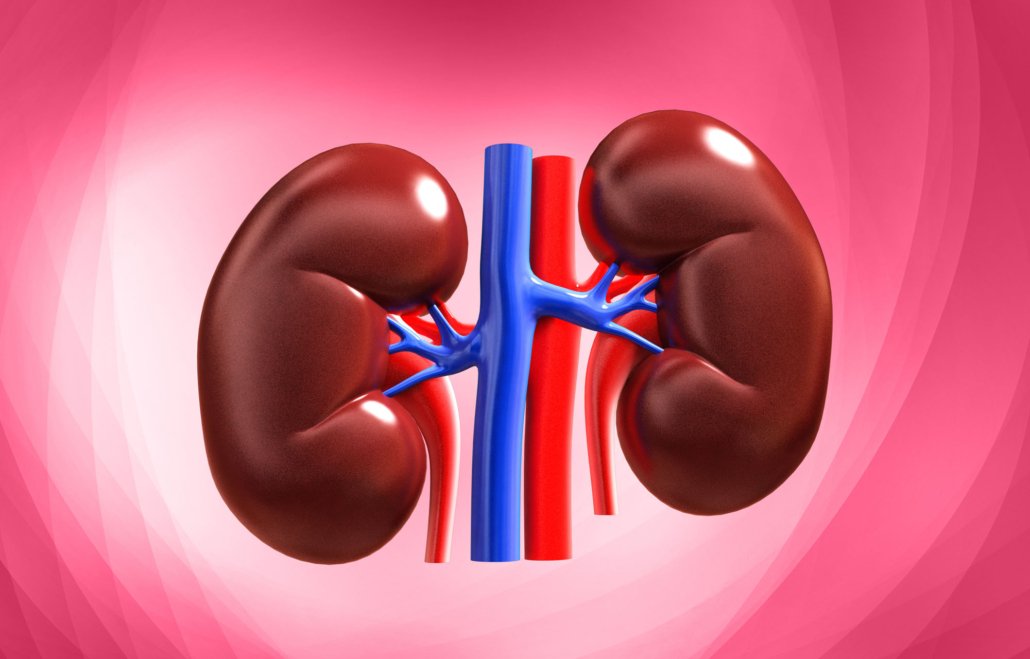
With a rising number of young Nigerians facing kidney failure, many are now needing transplants to lead more normal lives instead of relying on long-term dialysis. However, the expensive nature of kidney transplants has not only depleted the income and savings of affected families, but also forced many to beg for money to save their loved ones within a weak healthcare system and a shortage of specialists, IDOWU ABDULLAHI reports
RaphaelEzechukwu was filled with optimism at the age of 27, believing that life after university would mark a fresh start. However, a year after earning his first-class degree in Business Administration, Raphael's life took a harsh turn.
A man from Anambra State had always wished for a stable job, hoping to provide his mother with the comfort she had been deprived of for so long. His mother, Nwakaego, had spent her young years caring for Ezechukwu's sick father, selling everything valuable they owned to sustain him for eleven difficult years until he eventually passed away.
However, in 2024, Ezechukwu's health started to deteriorate.
A business administration graduate, who once was known at the Chukwuemeka Odumegwu Ojukwu University, Igbariam, as a representation of excellence, was found to have kidney failure, leaving him powerless and deepening the family's financial struggles that he had aimed to overcome.
What began as mere malaria escalated into a financially draining condition, with every dialysis session siphoning not only his blood but also his family's limited finances.
However, the dialysis treatments were not very effective, and doctors advised a kidney transplant as the only way for him to survive, with the estimated cost being N45 million.
I graduated last year (2024), and after leaving school, I have been suffering from kidney issues. Initially, I didn't visit the hospital, as I was treating malaria, assuming it was malaria. It wasn't until a few months ago that my urine became very dark yellow, and my body began to swell. I immediately informed my mother, and we reached out to medical professionals.
After a series of lab tests and medical check-ups, it was discovered that one of my kidneys had died. We consulted with the physician regarding available treatment options, and he informed me that I would need kidney dialysis to remain alive.
"In the past few months, we performed up to 50 dialysis sessions, but there was no improvement; instead, it was deteriorating daily. Last week, the physician informed us that the other kidney has also failed, meaning both kidneys are no longer working. He mentioned that, given the state of my kidneys, I might not survive the next two months," Ezechukwu said to one of our reporters.
"My family has taken on so much debt that no one is willing to lend us any more. The medical report has confirmed that if a kidney transplant isn't performed within one month, he won't survive. The information is that the transplant will cost approximately N45m," said Ezechukwu's mother, while making an appeal for assistance from Nigerians.
Ambition suspended by illness
Starting in 2024, 22-year-old Margaret Agbo has been engaged in a critical struggle for survival following her diagnosis with kidney disease.
A standard malaria treatment for the receptionist in the Oshodi area of Lagos State quickly turned into a severe case of kidney failure. She is now weak, confined to a hospital bed, connected to a dialysis machine, and fighting for her life with hope.
Her previously bright future is now hidden in a far-off memory, a fading echo of aspirations put on hold by sickness.
"At that time, I had recently completed my UTME and was getting ready to begin my studies. Nevertheless, the ongoing symptoms led me to undergo medical examinations and scans. It was then that I learned the shocking news: I had kidney disease. The tests, carried out at a hospital in Ikeja, showed that my kidneys were not working correctly," she shared with one of our reporters earlier this month.
For the past year, Agbo has been undergoing dialysis twice a week. In that time, she expressed that they have spent as much as N20,000,000 on various tests, which range from N110,000 to N150,000 each, along with costly medications.
Even the catheter I use for blood exchange costs more than N300,000. It hasn't only impacted my daily life; it has affected my whole family. I had to leave school and have been staying at home since last year. The disease leaves me extremely weak.
"I require a kidney transplant because ongoing dialysis is depleting me; it doesn't really enhance my health. The surgery costs N30 million," she mentioned to one of our reporters earlier this month.
Increasing popularity among young people in Nigeria
The narratives of Rapheal and Margaret reflect those of numerous young Nigerians who, as they start to gain stability, face obstacles or are halted by kidney failure due to their inability to afford kidney transplantation.
Kidney failure is increasingly affecting more young adults in their 20s and 30s across Nigeria, a condition in which the kidneys are no longer able to efficiently remove waste and extra fluid from the bloodstream, typically indicating that they have lost 85-90% of their functionality.
The increasing number of kidney failure cases among young Nigerians, according to specialists, has reached alarming levels, with overuse of traditional remedies, consumption of processed foods, exposure to toxins, long-term use of non-prescribed painkillers, and unaddressed infections being key factors, in addition to the well-known causes of hypertension, diabetes, and glomerulonephritis.
The American Kidney Fund, a non-profit organization, stated that kidney failure, also referred to as end-stage renal disease or end-stage kidney disease, represents the last phase of chronic kidney disease.
This is a state in which one or both kidneys are unable to properly remove waste and extra fluid from the bloodstream.
It mentioned that kidney failure cannot be reversed and can be fatal if not treated, but that dialysis or a kidney transplant can enable someone with the condition to live for many more years.
PUNCH Healthwise research showed that the enormous expense of these life-saving therapies—dialysis, and especially kidney transplants—has left many families in severe hardship, forcing them to beg to keep their relatives alive.
Medical professionals indicate that individuals with kidney disease who are having difficulty attending three dialysis sessions each week—a procedure that removes toxins and extra fluid from the blood when the kidneys can't perform this function—cannot afford a transplant, which serves as a more permanent solution for kidney failure.
They believe that a kidney transplant is the most successful therapy for advanced kidney failure, providing improved quality of life and increased longevity when compared to dialysis.
Concerningly, research from PUNCH Healthwise revealed that numerous families whose relatives are suffering from end-stage kidney failure struggle to cover the expense of a kidney transplant.
The head of the Transplant Association of Nigeria, Prof. Jacob Awobusuyi, referred to the financial strain of organ transplants as a "hidden crisis," preventing most Nigerians from accessing essential care.
The prospect of a life-saving transplant continues to be uncertain for numerous patients, not due to insufficient skill or resources, but because of the significant financial strain involved.
"Thousands continue to suffer on dialysis, with minimal prospects of progress," Awobusuyi stated.
Lives on pause
The prevalence of kidney diseases has increased, moving from the world's nineteenth leading cause of death to the ninth, with a 95% rise in fatalities between 2000 and 2021, as reported by the World Health Organisation.
According to the Nigerian Association of Nephrology, more than 20 million people in Nigeria are affected by kidney diseases, with approximately 20,000 individuals developing end-stage kidney disease each year, necessitating dialysis or a kidney transplant.
Due to the high expenses of treatment, the hopes of young Nigerians facing these conditions start to break into pieces.
In this scenario is 29-year-old Adeboye Ashiru, whose life is now dictated by a dialysis machine following her diagnosis with end-stage kidney failure. Once filled with joy and aspirations, her days are now defined by tubes, needles, and mounting medical expenses.
Although she was repeatedly misdiagnosed by various private hospitals, it took some time before she received the accurate diagnosis at Gbagada General Hospital in Lagos.
Ashiru, who once served as a YouTuber and video editor for a film production company, shared with PUNCH Healthwise that her life was completely changed when a seemingly ordinary symptom in 2023 turned out to be kidney failure, necessitating immediate dialysis and a transplant to stay alive.
When we arrived at Gbagada Hospital, we underwent various tests before they made a diagnosis. They then informed me that I would need five separate dialysis sessions to address the issue. After completing the first five dialyses, I was instructed to do another five.
"Several months following the dialysis treatment, I was informed that my kidneys had stopped working and that I required a kidney transplant," she explained.
Ashiru mentioned that every dialysis session costs N50,000 and that she has completed several sessions since the treatment started, believing the total expense to have gone beyond N20 million.
As she explained, the financial strain has severely impacted her family, leaving them unable to afford her ongoing medical expenses.
"The physicians state that I require more than N30m to resume a normal life," she mentioned.
In the same spirit, 16-year-old Colette Nwachukwu used to spend her evenings drawing stethoscopes in the corners of her notebooks, hoping to one day save lives while wearing a white coat.
But now, she is lying under the cold light of a hospital room, fighting an advanced long-term illness that has taken her energy and her time at school.
She received treatment for a long-lasting fever until she was found to have chronic kidney disease.
Due to her medical condition, the family has used up all their savings to cover Collete's treatments, which include dialysis twice a week at a cost of N150,000 per session, as they strive to raise N22 million for a kidney transplant.
"The diagnosis was a deeply shocking blow to the family. She had always aspired to become a medical doctor. She is intelligent and driven. She used to be the top student in her class and frequently spoke about saving lives. Now, our main goal is simply to save her," said Colette's mother, Mrs. Rhoda Nwachukwu, to one of our reporters.
Children not spared
David Paul was the lively member of his family, recognized within his small community in Rivers State for his cheerful personality and vigor. On weekends, the 12-year-old boy would dash along dirt roads and laugh so loudly it could echo through a compound.
However, kidney failure slowed his tiny, energetic body, swapping football for hospital beds and school days for dialysis treatments over two years.
His parents, who are a teacher and a small-scale merchant, have exhausted all their earnings and savings, but still require N19 million for a kidney operation to save his life.
We have used up all our limited income, taken loans from friends, neighbors, and fellow church members, but the condition has worsened to the current state: Stage 4 CKD, TB, heart failure, and high blood pressure.
"The consultants' recommendations are: dialysis twice a day and an urgent kidney transplant, costing N160,000 per week and approximately N19 million in total, but the funds are unavailable, further deteriorating the boy's condition while he remains in the hospital," Daniel, Paul's father, said to PUNCH Healthwise.
Nevertheless, he mentioned that when the family was unable to gather the necessary money for the transplant, the consultant responsible for his son's treatment had to find an alternative way to sustain the boy's life.
So the consultant is currently employing a method that we can manage, regardless of whether we receive help or not. The approach involves a specific medication—dialysis substitute, Semites. We have been utilizing both the injection and the tablet.
"Although it hasn't fully drained the water, it is at least keeping him stable and reducing the swelling, and it is preventing us from incurring expenses that would have ruined us financially," Daniel said to our reporter.
The condition of kidney care in Nigeria
The rate of CKD is believed to be approximately 12-15 percent in Nigeria, where high blood pressure and diabetes are the primary contributors.
Despite President Bola Tinubu approving an 80 per cent discount on kidney dialysis this year, which lowered the price from N50,000 to N12,000 per session in 11 federal hospitals, the initiative is facing challenges due to a shortage of dialysis equipment.
The program, designed to reduce the economic pressure on individuals suffering from kidney disease, is being rolled out in healthcare facilities throughout the six geopolitical regions.
Although the government has made attempts to lower the cost of dialysis treatment, PUNCH Healthwise indicates a major lack of dialysis machines in numerous hospitals throughout Nigeria.
PUNCH Healthwise's research indicated that approximately 354 operational dialysis machines are available in both public and private hospitals throughout the nation, with 230,000 of the 25 million Nigerians suffering from kidney disease in need of critical treatments such as dialysis or kidney transplants.
Of the roughly 354 dialysis machines currently in use across federal, state, and private hospitals, as reported by our reporter, 60 percent are located in private hospitals, with the other 40 percent distributed between state and federal government-run hospitals that provide dialysis treatment.
The president of the NAN, Prof. Jacob Awobusuyi, stated that by September 2024, just 354 dialysis machines were functioning across federal, state, and private hospitals throughout the country.
He stated that this figure was significantly insufficient, considering that kidney diseases impact around 10 per cent of Nigeria's projected 250 million people, which amounts to roughly 25 million individuals.
Nevertheless, when talking to our reporter, Agbo mentioned that the overpopulated state of public hospitals was the reason she and her family did not look into the subsidized dialysis option.
Government hospitals may not be the ideal choice for kidney patients due to their frequently crowded conditions. Imagine a person experiencing an emergency and visiting such a facility; getting proper care can be extremely challenging.
"I know people who have been through it, friends of mine who are dealing with kidney disease. They nearly lost their lives at government facilities due to overcrowding. At the private facility I'm currently using, many patients are brought here by ambulance from government hospitals to begin immediate dialysis. So, my experience with these situations is why I didn't bother looking into the subsidy," she said to PUNCH Healthwise.
Supporting this, Daniel also mentioned to our reporter that his son's severe health state made it impossible for him to contemplate the subsidized treatment.
I came across it in the news, but we haven't attempted to access it. Right now, the situation with my son is critical.
"If, for any reason, we discontinue the medications and injections that are keeping him stable in an effort to reach these authorized facilities, and we are unable to obtain the subsidized dialysis when required, we might lose the child, and I don't want to take a risk with my son's life," the teacher said to our reporter.
Worries about the rate of survival
Meanwhile, experts in kidney treatment have raised worries about the survival rates of Nigerians who have been diagnosed with kidney failure.
The head of medicine at Abia State Specialist Hospital and Diagnostic Centre, Dr. Chimezie Okwuonu, expressed concern that many patients pass away between three to six months after beginning dialysis because of limited access to organ transplants and insufficient dialysis treatments.
In an exclusive conversation with PUNCH Healthwise, Okwuonu, the leading transplant nephrologist in Southeast Nigeria, stated that although there have been notable advancements in kidney transplantation, the vast majority of patients suffering from kidney failure still pass away earlier than expected.
He stated that in Nigeria, dialysis—intended as a temporary treatment to keep patients alive—has turned into a death sentence for many because of the expensive costs and insufficient number of sessions.
"Typically, three to six months after starting dialysis, most patients die unless the dialysis is sufficient, which is uncommon in Nigeria, or a kidney transplant is carried out," he said to our reporter.
High cost of treatment
The kidney specialist, who also serves as the Clinical Care Coordinator and Quality Assessment Lead at FMC Umuahia, stated that numerous Nigerians suffering from kidney failure are passing away not due to the unavailability of treatment but because the expenses are still too high for them to afford.
"We possess the expertise to carry out transplants, yet only a few patients can afford the treatment expenses. That's the main difficulty I've encountered in this field," he expressed regretfully.
As he stated, the typical Nigerian individual suffering from kidney failure is unable to survive with just one or two dialysis sessions per week, although this is all that many can afford.
"The expense of dialysis, medicines, and ongoing treatment is too high. When patients are unable to keep going, the unavoidable occurs," he remarked.
The physician, who headed the medical group that carried out the first successful kidney transplant in Southeast Nigeria in December 2017, mentioned that the high cost of treatment for patients was playing a role in the increasing death rates due to kidney failure.
"Most Nigerians suffering from kidney disease cannot afford dialysis, let alone transplants. That's why they pass away prematurely," he stated.
The kidney specialist mentioned that drugs following a transplant, which are essential for avoiding organ rejection, amount to approximately N500,000 in the initial six months post-surgery, and between N250,000 and N300,000 each month afterward.
He said, "These medications are required for a lifetime, they are not included in the National Health Insurance Scheme, nor are they listed as essential drugs, and they are not manufactured domestically. Therefore, their pricing is determined by foreign exchange rates. You can understand the impact this has on patients."
In addition to financial concerns, the nephrologist pointed out the insufficient availability of proper post-transplant care services within the nation.
"Without adequate diagnostic facilities, we're frequently operating without clear information. Kidney biopsies, which can identify issues at an early stage, are often avoided due to our lack of capability to handle them effectively," he stated.
Nevertheless, the families of patients with kidney failure who spoke with our correspondent mentioned that although family members, including extended relatives, are eager to donate, the primary obstacle remains the treatment expenses.
Reasons for increasing kidney failure in young people
Nephrologists have pinpointed elements like overuse of herbal mixtures, large consumption of processed meals, extended use of non-prescribed analgesics, and unaddressed infections as key causes behind the increasing number of cases.
They mentioned that lifestyle choices and delayed diagnosis are contributing to the increase, impacting individuals in their 20s and 30s, and placing heavy strain on families and the nation's overburdened healthcare system.
In an exclusive interview with our reporter, Awobusuyi outlined various reasons contributing to the increase in kidney failure cases among young Nigerians.
He stated that the main factors affecting young individuals involve structural issues in the urinary tract that arise due to problems during the development phase.
He pointed out that these structural irregularities in the urinary system may eventually increase their risk of kidney issues.
Next, there are urinary tract infections, particularly common in women, which can lead to kidney infections. If these infections are not accurately identified and managed, they may worsen over time and ultimately result in kidney problems.
We are also dealing with the issue of harmful exposure — pollutants in the environment, numerous herbs being utilized, contaminated foods, and various detrimental herbal mixtures that young individuals are now consuming. All of these factors play a role in kidney disease. This is occurring not just among the young, but across all age groups.
"we are also starting to observe high blood pressure and diabetes among younger individuals, and if these issues are not properly controlled, they can lead to kidney disease," he stated.
Another major factor, the kidney specialist mentioned, was ongoing infections.
"Individuals who are young and have HIV, hepatitis B, hepatitis C, as well as parasitic infections, can also experience kidney damage. These are significant contributors to kidney disease that we are currently observing," Awobusuyi noted.
The head of the NAN expressed sorrow that the situation was now impacting Nigerians during their most productive years.
Yes, Nigerians have reason to be concerned. As the current age group impacted—individuals in their 20s, 30s, and early 40s—represents the most productive segment of any population. These are young people who serve as the primary earners for their families, and they are now falling ill with a condition that is very costly to manage.
"Many of them don't have anyone to provide support. Several eventually die prematurely. Moreover, as the main earners in their households, their illness forces their families into poverty due to the enormous costs associated with treating kidney failure. Therefore, this is a critical public health issue. It has a substantial economic and social impact, and it significantly reduces the life expectancy of those affected if not identified at an early stage," Awobusuyi said.
He also emphasized the expense of treatment, noting that dialysis or transplantation is costly, and many patients discontinue their care due to financial constraints.
"Patients undergoing dialysis require it at least twice a week. This amounts to approximately N480,000 or more each month for dialysis alone. Additionally, a successful kidney transplant costs nearly N25 million. How many individuals can afford this? Therefore, for most people, they undergo dialysis a limited number of times, and then the reality of the financial burden hits them. Many ultimately stop their treatment, which is a significant issue," the professor stated.
Discussing preventive measures, Awobusuyi stated, "They should adopt healthy lifestyle practices. They must stop using all the hard drugs they are currently taking. They should also quit smoking. While smoking might not directly impact kidney function, it has numerous harmful effects on blood vessels, which are responsible for supplying blood to the kidneys."
They should also avoid excessive alcohol consumption. Although alcohol may not directly harm the kidneys, it can impact blood vessels and the heart. The heart and kidneys are closely related—if one starts to fail, the other is likely to follow soon.
He encouraged young Nigerians to obtain immediate medical care, emphasizing that individuals with sickle cell disease or a family history of hypertension, diabetes, or kidney disease should undergo routine medical examinations.
"They need to stop misusing painkillers, particularly how certain artisans and mechanics do it. A side effect of prolonged use of these painkillers is kidney disease," the don remarked.
Additionally, a consultant pediatric nephrologist at UCH, Ibadan, Dr. Debo Ademola, outlined typical causes of kidney failure in children, such as nephrotic syndrome, particularly steroid-resistant nephrotic syndrome, and noted that the condition leads to substantial protein loss in the urine.
Other conditions, he mentioned, include a set of disorders referred to as glomerulonephritis; structural anomalies of the kidneys and urinary system, along with children who are born with underdeveloped or smaller kidneys.
Although kidney failure is frequently talked about in relation to adults, it remains a significant issue among children due to the high cost of treatment, the emotional and psychological impact, and the fact that care is costly regardless of age. We should not overlook the strain it imposes on families when it affects children.
"Alone this year, I have observed several children who have reached what we refer to as end-stage renal disease, indicating that their kidneys have completely ceased to function. I have also witnessed young adults who have been under long-term follow-up—some for the past five years—who are now advancing towards end-stage renal disease, placing a significant financial and emotional strain on their families," Ademola said to our reporter.
What actions can the government take
What the government can do to stop more young Nigerians from suffering from kidney failure, Awobusuyi recommended enhancing primary and secondary healthcare services.
At the primary care level, effective screening is essential. Whenever patients visit the hospital for any issue, fundamental tests like urine analysis for protein should be conducted. The presence of protein in urine can be one of the initial indicators of kidney damage.
Screening should also take place before children return to school—whether it's primary or secondary education—and even when they are accepted into higher education institutions. These are valuable chances for early identification. If these screening procedures are carried out effectively, numerous kidney diseases can be identified at an early stage, allowing for significant interventions to prevent additional harm and slow the progression of the illness.
At the secondary level, the expert recommended that the government allocate resources to public and national initiatives aimed at promoting health education and raising awareness regarding the issue.
"The government needs to allocate more resources towards public education via television, newspapers, and digital channels. This approach will enable individuals to recognize danger signs and obtain assistance at an earlier stage," he further stated.
Awobusuyi stated, "At the higher education level, it is important to make sure hospitals have sufficient staff and proper facilities. Essential medications must be accessible, and administrative procedures should operate efficiently—without interruptions. This is vital to ensure patients with kidney disease get appropriate treatment."
The government must also provide funding for kidney disease treatment. Very few individuals can cover the expenses, which may go as high as ₦1 million per month. This is the situation. In several developed nations and even some African countries, the government steps in because kidney disease is extremely severe. They allocate resources to assist patients in surviving. However, in Nigeria, we still lack such support, so many people have to pay for it themselves.
These are the strategies and actions the government needs to adopt—screening, early detection, effective treatment at every level of healthcare, and robust financial assistance programs—to stop more young Nigerians from suffering from kidney failure.
Provided by SyndiGate Media Inc. (Syndigate.info).